 Save to Pinterest
 I discovered the magic of vegetable broth by accident one Tuesday while cleaning up after meal prep, staring at a pile of carrot peels and onion skins that felt too good to waste. My grandmother had always made broth from scraps, but I'd assumed it required some secret technique or special ingredients—turns out, it just requires patience and a stockpot. That first batch simmering on the stove filled my kitchen with an aroma so warm and comforting that I immediately understood why she kept jars of it in her freezer. Now I save every celery end and leek top, knowing they're destined for something infinitely more valuable than the trash. It's become my favorite way to honor the whole vegetable and stretch my budget further.
Last winter, I brought a thermos of this broth to my sister's house on a cold afternoon, and we sat at her kitchen counter while snow fell outside, just drinking it plain with crusty bread. She asked what was in it, and when I said "basically our dinner scraps," she laughed and said it tasted like something a restaurant would charge twelve dollars a cup for. That moment crystallized why I make this now—it's not just about practicality; it's about creating something so genuine that it becomes a small gesture of care.
Ingredients
- Vegetable scraps (4 cups): Carrot peels, onion skins, celery ends, leek tops, and mushroom stems are your foundation—keep them in a freezer bag as you cook throughout the week, and avoid potato peels or brassicas, which can turn the broth bitter or cloudy.
- Bay leaf (1): This single leaf carries the weight of tradition and depth, so don't skip it even though it seems small.
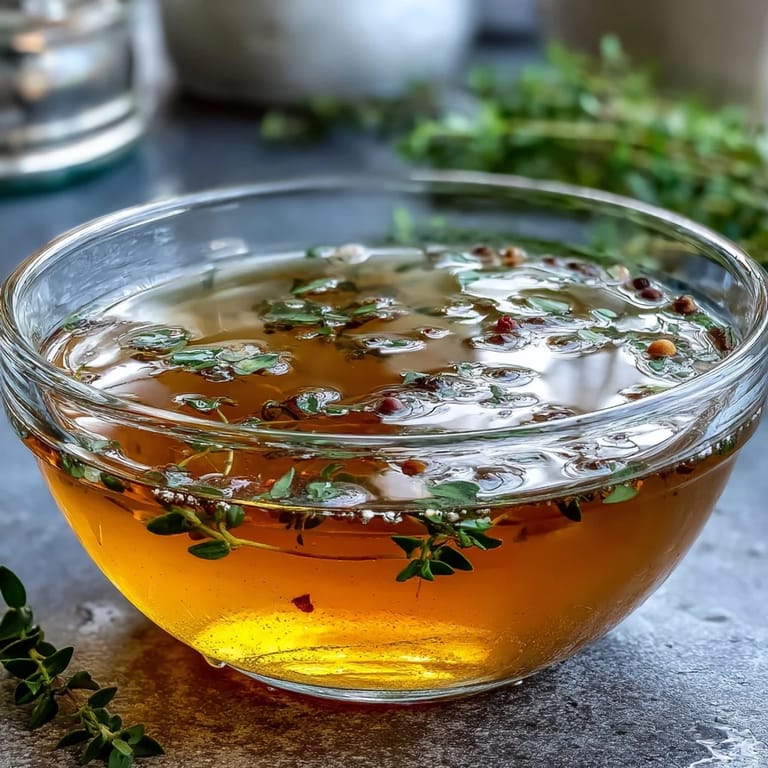
- Black peppercorns (5–7): They add a whisper of bite without overwhelming, and they won't muddy the clarity of your broth the way ground pepper would.
- Garlic cloves (2, crushed, optional): If you add them, crush them lightly so they release their essence without being aggressive about it.
- Fresh thyme or dried (1 sprig or 1/2 teaspoon): Fresh thyme is more delicate and aromatic; dried works too but use less since it concentrates.
- Salt (1 teaspoon, optional): Taste as you go—you may want none at all if you're using this broth in other dishes.
- Cold water (8 cups): Start cold so the vegetables release their flavor gradually rather than sealing up from sudden heat.
Tired of Takeout? 🥡
Get 10 meals you can make faster than delivery arrives. Seriously.
One email. No spam. Unsubscribe anytime.
Instructions
- Prepare and gather your scraps:
- Rinse your vegetable trimmings under cold water and place them in a large bowl. Make sure they're clean but don't peel away any remaining bits of vegetable—that's where the flavor lives. Mentally note what you're using so you understand the flavor profile you're building.
- Combine everything in your pot:
- Add the scraps, bay leaf, peppercorns, crushed garlic, salt, and thyme to a large stockpot. Pour the cold water over everything, making sure all the scraps are submerged—they'll float a bit, so just nestle them down gently.
- Bring to a gentle simmer:
- Place the pot over medium-high heat and let it come to a full boil—you'll see the water shift from clear to cloudy as impurities rise to the surface. Once it reaches a boil, reduce the heat to medium-low and let it simmer gently, uncovered, for 45 to 60 minutes.
- Skim and adjust:
- In the first 10 minutes, you'll notice foam and debris rising to the top—skim these off with a ladle or spoon so your final broth stays clear and clean. Taste it around the 45-minute mark and adjust seasoning if needed; some broths need a little more salt, others are perfect as is.
- Strain with intention:
- Set a fine-mesh sieve over a clean pot or large bowl and carefully pour the broth through, letting it flow naturally without pressing the solids. Discard the spent scraps—they've given everything they have.
- Cool and store:
- Let the broth cool to room temperature, then transfer it to airtight containers. Refrigerate for up to five days or freeze for three months; frozen broth thaws beautifully and tastes just as fresh when you need it.
 Save to Pinterest
  Save to Pinterest
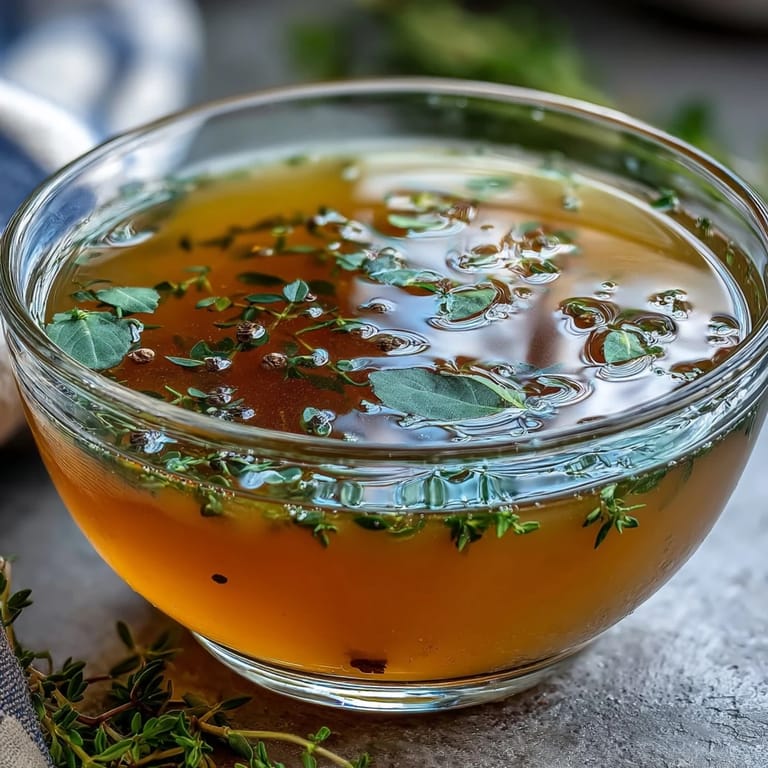
 There's something almost meditative about watching this broth simmer—the way the steam rises gently, the smell growing richer by the minute, the knowledge that you're creating something from what would have been discarded. I've started keeping a small cup of broth on my desk while I work, sipping it like tea, and somehow it makes the afternoon feel less frantic and more grounded.
Roasting for Deeper Flavor
If you want to elevate this broth into something restaurant-quality, spread your vegetable scraps on a baking sheet, toss them lightly with a tiny bit of oil if you have it (or skip it—the scraps will caramelize on their own), and roast at 200°C (400°F) for about 20 minutes until they're golden and fragrant. This step deepens the color and adds caramelized sweetness that makes the broth taste more complex and sophisticated. It's not necessary, but it's the difference between a weeknight broth and one worthy of a special meal.
Umami Additions and Variations
Once you feel confident with the basic version, experiment with adding a small piece of kombu (dried kelp) or a handful of dried mushrooms—they whisper umami into the broth without announcing themselves loudly. A strip of dried seaweed, a piece of ginger, or even a splash of soy sauce transforms this into something with more body and intrigue. I've learned that the beauty of homemade broth is that it's endlessly customizable based on what you have and what you're craving that day.
How to Use Your Broth and Make It Count
This broth is a foundation that whispers support rather than shouting flavor—use it to cook grains like rice or quinoa, as the liquid base for soups, or as the aromatic element in risotto where it gets to shine quietly. You can sip it warm on a cold morning, use it to cook beans, or freeze it in ice cube trays so you have broth in perfect portions whenever you need it. The best part is knowing exactly what went into your kitchen staple, which sounds simple until you realize how freeing that is.
- Pour leftover broth into ice cube trays and freeze, then pop the cubes into a freezer bag for grab-and-go portions.
- If your broth gels when cold, that's a sign it's rich in natural gelatin—this is a good thing and means it will add body to soups and sauces.
- Never let anyone tell you that homemade broth is intimidating; this one proves that good food often comes from the simplest intentions.
 Save to Pinterest
  Save to Pinterest
 This broth has become my quiet rebellion against waste and my favorite small luxury all at once. Make it once, and you'll understand why it's worth keeping on hand.
Recipe Help Center
- → Which vegetable scraps work best for making broth?
Carrot peels, onion skins, celery ends, leek tops, mushroom stems, parsley stems, and garlic skins are ideal. Avoid potato peels, broccoli, cauliflower, and cabbage as they can add bitterness or cloudiness to the broth.
- → How long can I store homemade vegetable broth?
Store in airtight containers in the refrigerator for up to 5 days, or freeze for up to 3 months. Cool completely before storing to maintain freshness and quality.
- → Can I enhance the flavor of vegetable scrap broth?
Yes, roast the scraps at 200°C (400°F) for 20 minutes before simmering for deeper flavor. Adding kombu or dried mushrooms boosts umami, while fresh herbs like thyme add aromatic complexity.
- → Should I add salt while making the broth?
Salt is optional during cooking. If using the broth as a base for other dishes, consider adding minimal or no salt initially, then season individual preparations to taste for better control.
- → How do I prevent cloudy vegetable broth?
Maintain a gentle simmer rather than a rolling boil, skim foam regularly during cooking, and avoid starchy vegetables like potatoes. Strain through fine-mesh sieve or cheesecloth for crystal-clear results.
- → What can I use vegetable broth for?
Use as a flavorful base for soups, stews, risottos, cooking grains, braising vegetables, or enjoy warm as a nourishing drink. It adds depth to any dish requiring liquid.