 Save to Pinterest
 I discovered these wraps by accident on a Thursday night when my fridge held nothing but turkey strips, a jar of gochujang I'd been saving, and some tortillas. The combination of crispy, golden poultry with that zesty Korean-American sauce felt like a small revelation, the kind of moment where you taste something and immediately think about making it again. Now they're my go-to when I want something impressive without spending hours in the kitchen.
Last summer, I made these for my friend Sarah who'd been stressed about work, and watching her face light up after that first bite reminded me why I love cooking for people. Something about wrapping everything up together, then tearing into it with your hands, just feels communal and fun in a way that fancier dishes sometimes miss.
Ingredients
- Turkey or chicken breast (400g, cut into strips): The foundation of everything—use fresh meat and cut evenly so it cooks uniformly without drying out.
- Buttermilk (125ml): This acidic marinade tenderizes the meat and keeps it juicy despite the frying, so don't skip it even if you think regular milk might work.
- Garlic powder, onion powder, smoked paprika, salt, and black pepper: These seasonings build a savory crust that hints at smoky depth without overpowering the other layers.
- All-purpose flour and cornstarch (100g and 50g): The cornstarch is the secret to that extra-crispy exterior—it creates a lighter, cracklier coating than flour alone.
- Egg (1 large): Your binding agent that helps the flour mixture cling to the meat.
- Vegetable oil: Medium-high heat and 2–3cm depth ensure even frying and that golden-brown finish.
- Green and red cabbage, carrot, spring onions: The slaw's vegetal freshness cuts through the richness of the fried turkey and keeps the wraps feeling balanced.
- Rice vinegar, mayonnaise, sesame oil, sugar: Together these create a slaw dressing that's tangy, creamy, and subtly nutty without being heavy.
- Gochujang (2 tbsp for the sauce): Korean chili paste adds umami and warmth—taste it first if you're new to it so you know how much kick you're getting.
- Honey and rice vinegar (for the sauce): These balance the gochujang's heat with gentle sweetness and brightness.
- Large flour tortillas (4 wraps): Buy them fresh if you can, and warming them before assembly makes them pliable and prevents cracking.
- Fresh coriander or parsley: A small handful adds color and a fresh herbal note that completes the whole thing.
Tired of Takeout? 🥡
Get 10 meals you can make faster than delivery arrives. Seriously.
One email. No spam. Unsubscribe anytime.
Instructions
- Marinate the turkey:
- Toss your turkey strips with buttermilk, garlic powder, onion powder, smoked paprika, salt, and black pepper in a bowl, making sure every piece gets coated. Let it sit for at least 15 minutes—this is when the magic happens, as the buttermilk softens the meat and the spices start to bond with it.
- Set up your breading station:
- Crack an egg into one shallow bowl and whisk it, then combine flour and cornstarch in another. Having everything ready before you start frying means you can work quickly and confidently without second-guessing yourself.
- Bread each strip:
- Pull one turkey strip from the marinade, shake off excess buttermilk, dip it into egg until fully coated, then drag it through the flour mixture, making sure it's completely covered on all sides. You'll feel the coating get thicker as you go—that's exactly what you want.
- Get your oil ready:
- Pour vegetable oil into a deep skillet to a depth of 2–3cm and heat over medium-high until it shimmers and a tiny piece of flour sizzles immediately when you drop it in. This tells you the temperature is right without needing a thermometer.
- Fry in batches:
- Carefully slide breaded strips into the hot oil, working in batches so you don't crowd the pan—crowding drops the oil temperature and leads to greasy, soggy results. Fry for 3–4 minutes per side until golden brown and crispy, then transfer to paper towels to drain.
- Build the slaw:
- Shred and slice your cabbage, carrot, and spring onions, then toss them together in a large bowl. Whisk rice vinegar, mayonnaise, sesame oil, sugar, salt, and pepper separately, then pour over the vegetables and toss until everything is evenly coated and shiny.
- Make the sauce:
- Stir mayonnaise, gochujang, honey, and rice vinegar together in a small bowl until you have a smooth, pourable consistency. Taste it and adjust—if it's too spicy, add more mayo or honey; if it needs more punch, add a touch more gochujang.
- Warm the tortillas:
- Heat them in a dry skillet over medium heat for about 30 seconds per side, or wrap them in a damp towel and microwave for 20–30 seconds. They should be soft and pliable, not crispy.
- Assemble each wrap:
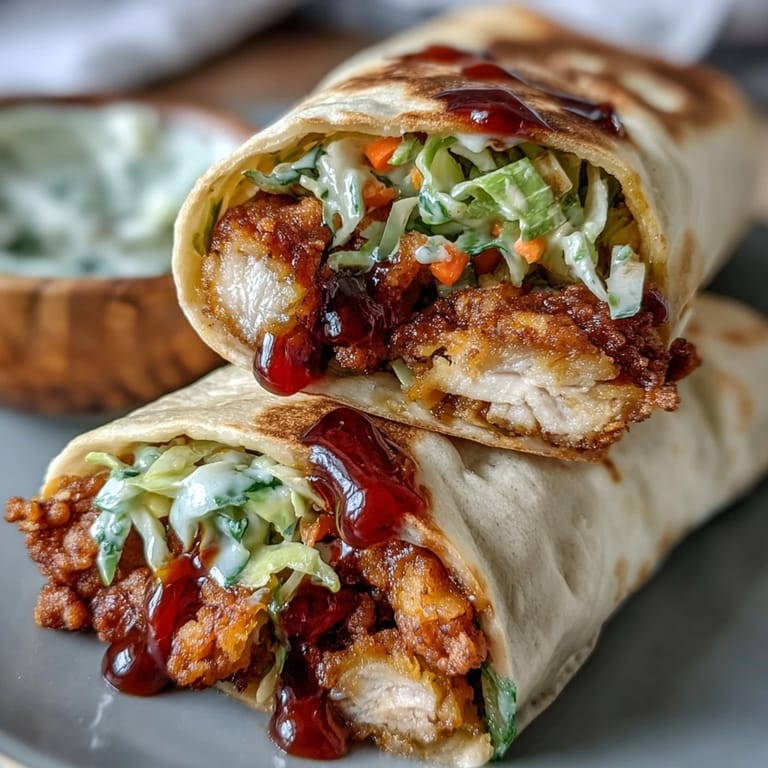
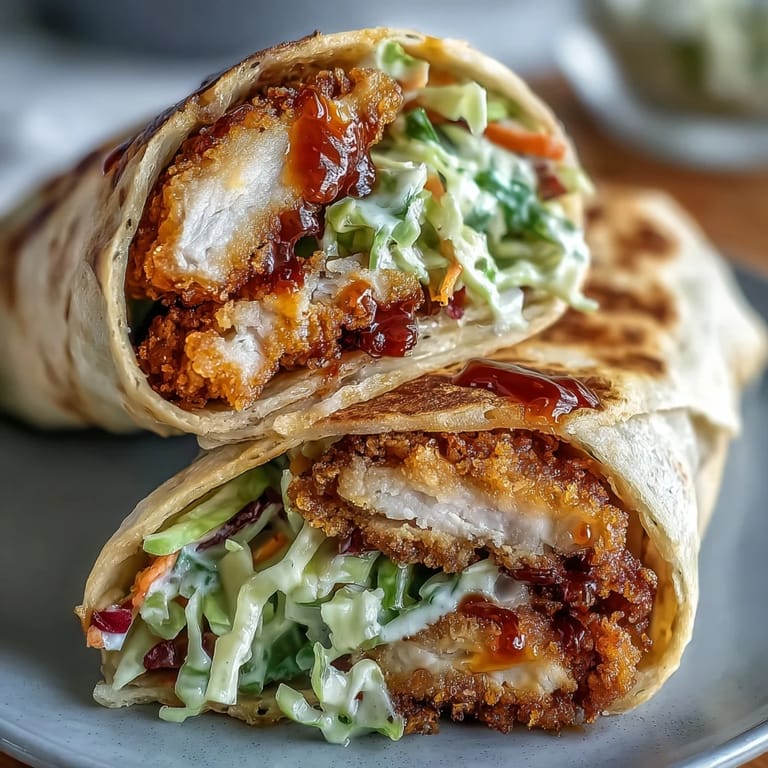
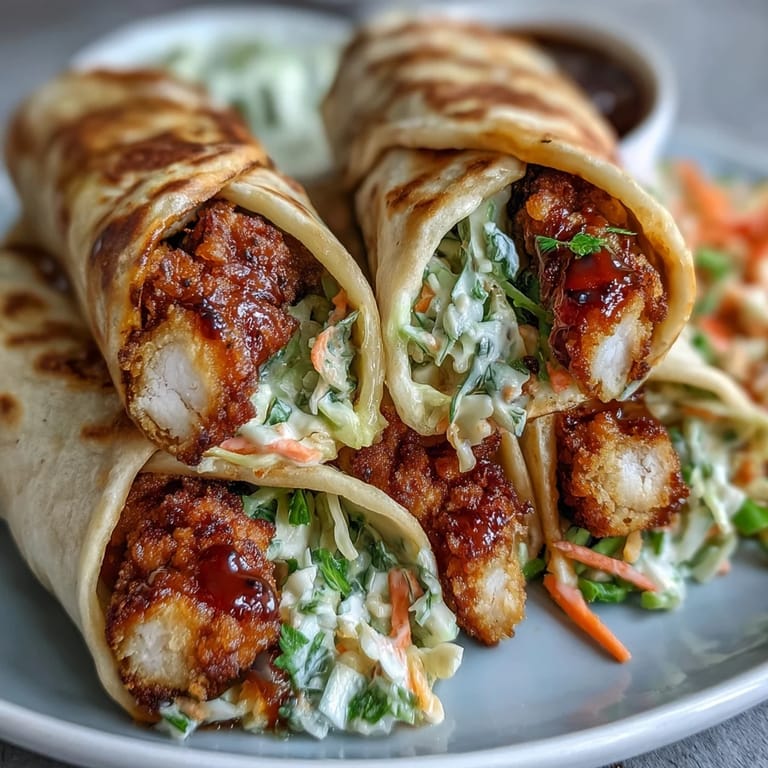
- Lay a warm tortilla flat, spread a thin layer of sauce across the middle, add a generous handful of slaw, top with 2–3 crispy turkey strips, drizzle with a bit more sauce, and sprinkle with fresh herbs if you're using them. The layering matters—it distributes flavors and keeps everything from getting soggy.
- Roll and serve:
- Fold the sides of the tortilla in slightly, then roll it up tightly from one end, using a piece of foil or parchment to help keep everything together as you slice. Serve immediately while the turkey is still warm and the slaw still has its crunch.
 Save to Pinterest
 My neighbor stopped by during cooking time, drawn in by the smell of frying turkey and gochujang, and I ended up making her a wrap on the spot. Watching her close her eyes after the first bite, then immediately ask for the recipe, felt like the ultimate compliment—that moment when food becomes a memory someone wants to recreate in their own kitchen.
The Secret to Crispy Turkey
The difference between soggy fried turkey and crispy, golden-brown strips comes down to three things: the cornstarch in the breading, the oil temperature, and not moving the meat too much once it hits the pan. I used to flip constantly thinking I was helping, but I learned that leaving each side alone for a full 3–4 minutes lets a proper crust develop. The cornstarch is crucial because it absorbs less oil than flour alone and creates a lighter, crispier texture that stays crispy even after you've wrapped it up.
Why the Slaw Matters More Than You Think
The slaw isn't just texture filler—it's the element that keeps these wraps from feeling heavy or one-dimensional. The acidity of the vinegar, the creaminess of mayo, and the nuttiness of sesame oil create a dressing that tastes both bright and rich at the same time. Without it, you'd just have fried meat in a tortilla, which is fine, but with it, you have something that feels intentional and balanced, the way restaurant food tastes.
Customizing Your Wraps
These wraps are flexible enough to adapt to what you have on hand and how much heat you prefer. I've made versions with grilled chicken when I wasn't in the mood for frying, swapped Greek yogurt for mayo in the slaw when I wanted something lighter, and even added a thin layer of roasted garlic mayo for extra richness. The core—that textural contrast and the interplay of crunchy, crispy, and creamy—stays the same no matter what you adjust.
- For extra spice, stir in sliced fresh chili or add more gochujang to the sauce—start with a little and taste as you go.
- Try adding a thin smear of sriracha between the slaw and turkey for another flavor dimension.
- If you prefer things milder, reduce the gochujang and rely more on the sweetness of the honey to balance the other flavors.
 Save to Pinterest
 These wraps have become my answer to the question of what to cook when I want something that feels special but doesn't demand hours of work. Every time I make them, they remind me that some of the best food happens when you stop overthinking and just play with flavors you love.
Recipe Help Center
- → Can I use chicken instead of turkey?
Yes, chicken breast works perfectly as a substitute. Cut it into strips the same size and follow the identical marinating and cooking process.
- → How do I store leftovers?
Keep components separate in airtight containers. The crispy strips stay fresh for 2 days in the refrigerator. Reheat in the oven to restore crunch before assembling.
- → Can I bake instead of fry?
Baking at 200°C for 20-25 minutes yields a lighter version, though the exterior won't achieve the same crispy crunch as deep-frying.
- → What can I substitute for gochujang?
Sriracha mixed with a teaspoon of miso paste creates a similar fermented kick, or use sambal oelek for straight heat without the sweetness.
- → How can I make these spicier?
Add extra gochujang to the sauce, include sliced fresh chilies in the slaw, or sprinkle cayenne pepper into the flour coating before frying.
- → Are these wraps gluten-free?
Not as written due to flour, cornstarch, and tortillas. Use gluten-free flour blends and corn tortillas to accommodate dietary needs.