 Save to Pinterest
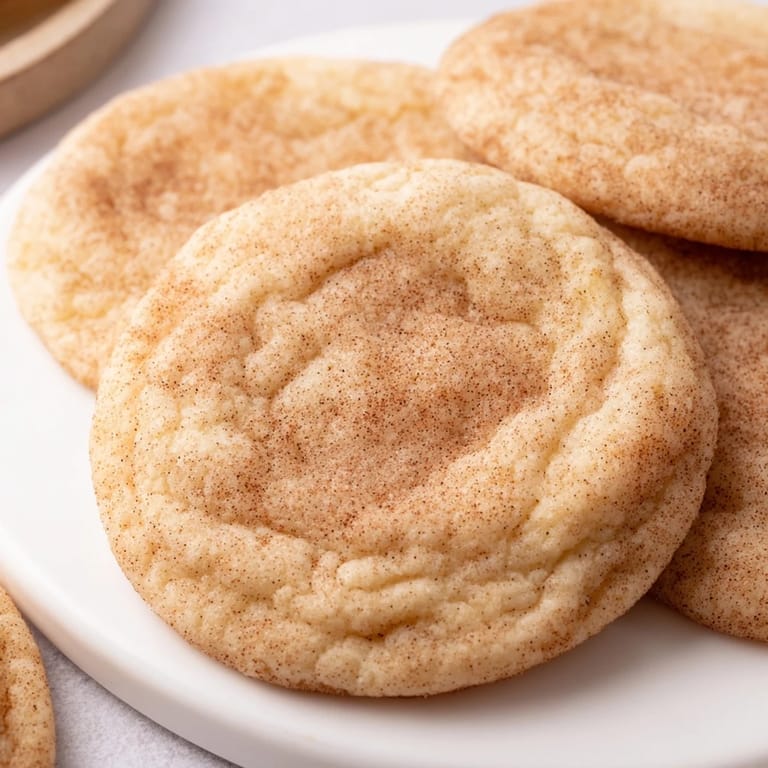
 There's something about the smell of snickerdoodles baking that takes me straight back to a Sunday afternoon when my neighbor knocked on the door with a plate of them, still warm, the cinnamon sugar catching the light. I'd never made them before, just assumed they were complicated, but she laughed and said they were the easiest thing in her rotation. That first bite—crispy edges, impossibly soft center, that tangy undertone—and I was hooked. Now they're my go-to when I need something homey and fast.
I brought a batch to work one morning during a particularly gray stretch of January, and I watched them disappear within an hour. One coworker asked if I'd made them from scratch, genuinely surprised when I said yes—apparently snickerdoodles have a reputation for being bakery-only treats. That moment of surprise, then someone asking for the recipe, is when I knew these were worth keeping in regular rotation.
Ingredients
- All-purpose flour (345 g): The foundation—make sure it's measured by spooning and leveling, not scooping straight from the bag, or you'll end up with dense, heavy cookies.
- Cream of tartar (2 teaspoons): This is the secret weapon that creates that signature slight tang and keeps the dough from spreading too thin; don't skip it or substitute.
- Baking soda (1 teaspoon): Works with the cream of tartar to lift the dough and create that soft, pillowy texture.
- Salt (1/2 teaspoon): Balances the sweetness and makes every other flavor pop.
- Unsalted butter, softened (226 g): Room temperature is essential—cold butter won't cream properly and you'll miss that fluffy base.
- Granulated sugar (300 g): The main sweetness; measure carefully to keep cookies from becoming overly cakey.
- Large eggs (2): Add structure and richness; bring them to room temperature if you have time.
- Vanilla extract (1 teaspoon): Use pure vanilla, not imitation—the flavor difference matters in such a simple cookie.
- Cinnamon sugar coating (50 g sugar plus 2 teaspoons cinnamon): This is where the magic happens; use fresh cinnamon if you can, as stale spice won't give you that vibrant flavor.
Tired of Takeout? 🥡
Get 10 meals you can make faster than delivery arrives. Seriously.
One email. No spam. Unsubscribe anytime.
Instructions
- Heat and prep your pans:
- Preheat the oven to 375°F and line two baking sheets with parchment paper. This gives you a moment to gather everything else while the oven reaches temperature.
- Mix the dry foundation:
- Whisk flour, cream of tartar, baking soda, and salt together in a medium bowl until they're evenly distributed. Setting this aside now means you won't scramble later.
- Cream butter and sugar until fluffy:
- Beat them together for 2–3 minutes until the mixture is pale and noticeably lighter; this incorporates air that makes cookies tender instead of dense. You'll know it's ready when it looks almost like frosting.
- Bring in the eggs one at a time:
- Add each egg separately, beating well after each one so it fully incorporates. Then add vanilla and mix until smooth.
- Gently fold in the dry ingredients:
- Add them gradually, stirring just until combined—overmixing toughens the dough. Stop as soon as you don't see streaks of flour.
- Make your cinnamon sugar coating:
- Stir together the sugar and cinnamon in a small bowl. The ratio matters here; too much cinnamon tastes bitter, too little and you lose that signature flavor.
- Roll and coat:
- Scoop the dough into tablespoon-sized balls, then roll each one in the cinnamon sugar mixture until fully coated. Work quickly so the dough doesn't warm up too much.
- Space them on the sheets:
- Place each ball 2 inches apart; they'll spread slightly as they bake but not dramatically. This spacing keeps them from touching.
- Bake until set but still soft:
- Bake for 9–11 minutes; the edges should look set while the very center still jiggles slightly when you shake the pan. They'll firm up as they cool.
- Cool on the sheet, then transfer:
- Let them sit on the hot pan for 5 minutes—this firms them up just enough to move without falling apart. Then transfer to a wire rack to cool completely.
 Save to Pinterest
 My mom called me one afternoon while I was baking these, and by the time I hung up, the kitchen smelled so good she drove over without asking. We sat at the counter eating warm snickerdoodles with coffee, and she said it was the first time in years she'd had something homemade that wasn't hers. Small thing, but it shifted something about why I make these.
The Cinnamon Sugar Coating Strategy
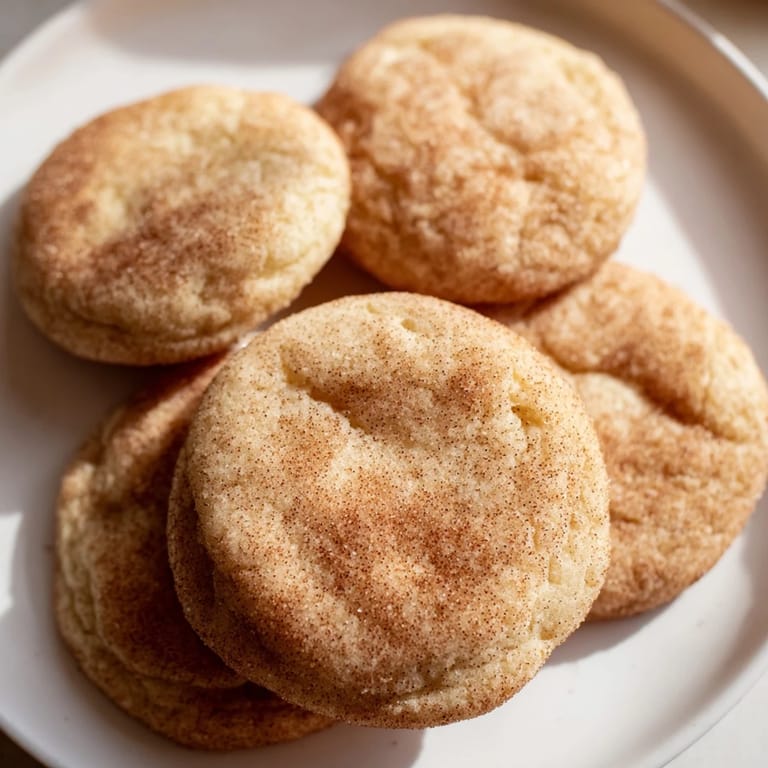
The coating is where snickerdoodles get their identity, and I learned the hard way that it matters how you approach it. If you mix the cinnamon and sugar the night before, the cinnamon starts to absorb moisture and loses its punch—mixing it fresh every time you bake is worth the five extra seconds. I also roll the dough ball in my hand for just a few seconds to warm it slightly before rolling in the cinnamon sugar; the warmth helps it stick better than cold dough ever will. One time I tried using a cinnamon-sugar mixture I'd kept in a jar for weeks, and the cookies tasted flat and dull. Never again.
Storage and Keeping Them Perfect
An airtight container keeps these cookies soft for up to five days, though they rarely last that long at my house. If they do start to firm up, a slice of bread in the container overnight resurrects them perfectly—the bread releases just enough moisture to soften them back up without making them soggy. I've also frozen unbaked dough balls in the freezer for up to three months, then baked them straight from frozen, adding just a minute or two to the baking time.
Why These Cookies Keep Working
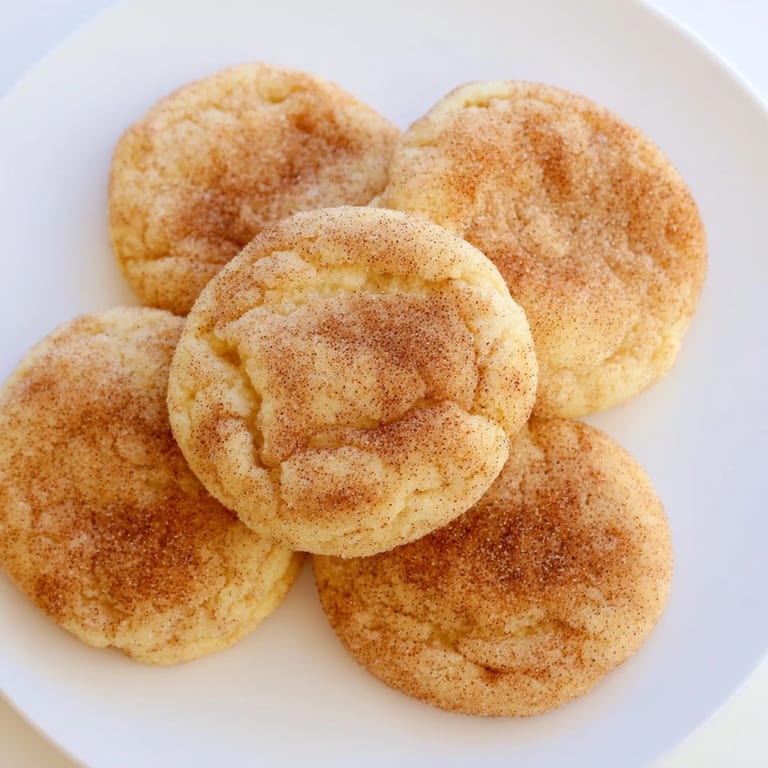
Snickerdoodles have a way of working for every occasion without feeling fancy or out of place. They're simple enough for a Tuesday afternoon, pretty enough for a gathering, and the recipe scales easily if you need fifty instead of twenty-four. I've made them for potlucks, teacher gifts, and just because the house needed to smell like home. There's a reason they've stuck around for generations—they do one thing and do it perfectly.
- For extra softness, pull them out at 9 minutes and let them firm on the hot pan for a full 10 minutes.
- If you want a crispier edge and softer center, use parchment paper and bake on the lowest oven rack.
- These pair beautifully with morning coffee or as a simple dessert when you don't want anything heavy.
 Save to Pinterest
 These cookies remind me that the best recipes are often the simplest ones, the ones that don't require special equipment or fancy techniques. They just require attention and a little care in timing. Make them once, and they become yours.
Recipe Help Center
- → What gives snickerdoodles their signature tang?
The tangy note comes from cream of tartar, which reacts with baking soda to create the unique flavor and texture.
- → How do I achieve soft, pillowy texture?
Ensure not to overbake and allow the cookies to cool on the baking sheet before transferring to a rack, which helps retain softness.
- → Can I substitute any ingredients for dietary needs?
Butter can be partially replaced with shortening for a puffier texture, but note this may alter flavor and moisture.
- → What is the purpose of the cinnamon sugar coating?
Rolling the dough in cinnamon sugar before baking adds a sweet-spiced crust that enhances flavor and texture contrast.
- → How should these cookies be stored?
Store cookies in an airtight container at room temperature for up to five days to maintain freshness.
- → Can I use these cookies for special dietary needs?
These contain wheat, eggs, and dairy, so they are not suitable for gluten-free or vegan diets without modifications.