 Save to Pinterest
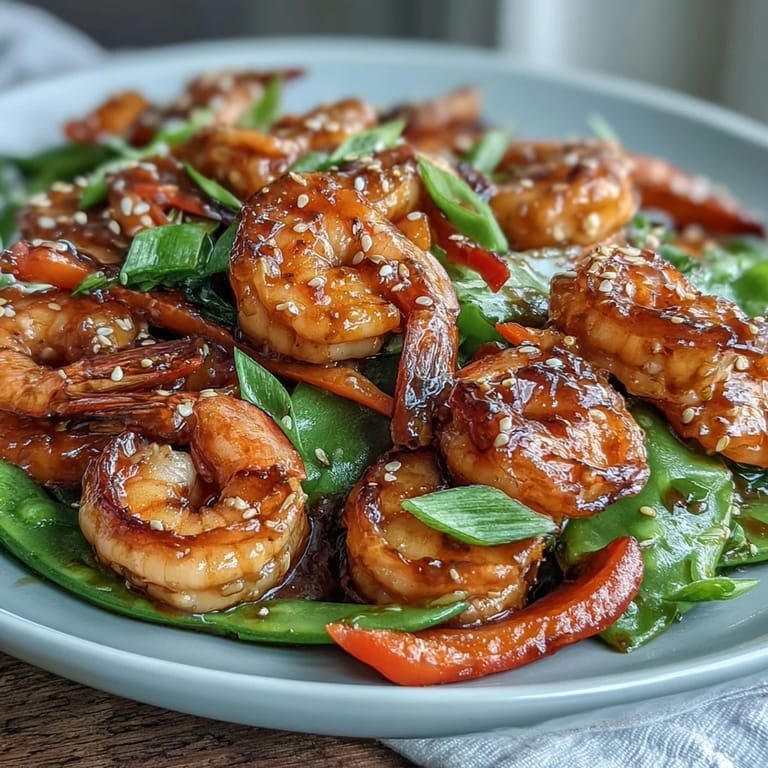
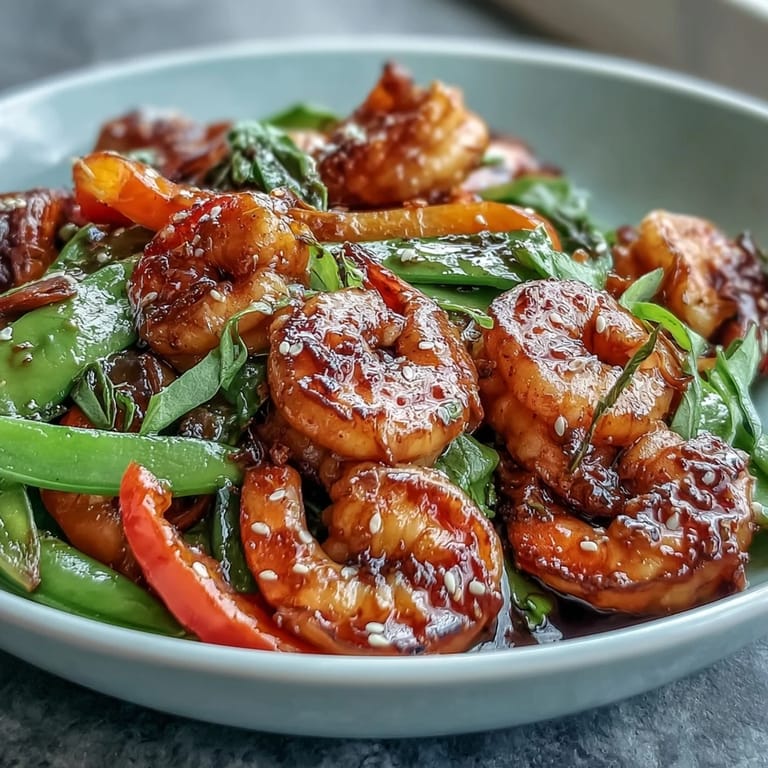
 There's something about the sound of a hot wok that makes you feel like you're cooking something special, even when you've only got twenty minutes before dinner needs to hit the table. I discovered this stir-fry on a Tuesday night when my fridge was looking sparse but my ambitions were high, and somehow throwing together shrimp, whatever vegetables I had on hand, and cauliflower rice turned into the kind of meal that made me feel accomplished without the stress. The beauty of it is that it comes together faster than you'd think, yet tastes like you actually spent time in the kitchen.
I made this for my sister when she was visiting last month, and she kept asking if I'd ordered it from somewhere until I showed her the empty ingredients bottles lined up on the counter. What I loved most wasn't just her surprise, but how the kitchen smelled while everything was cooking—that ginger and garlic hitting the hot oil created this warm, inviting aroma that had her hovering by the stove asking if it was ready yet. There's real magic in feeding people something vibrant and nourishing in under half an hour.
Ingredients
- Large shrimp (1 lb): The star of the show, and they need to be the big kind so they cook evenly and stay tender instead of turning into little rubber balls.
- Red and yellow bell peppers: These aren't just pretty, they add actual sweetness and crunch that balances the savory sauce beautifully.
- Sugar snap peas (1 cup): They stay crisp if you don't overcook them, and that snap between your teeth is what makes this feel fresh rather than heavy.
- Broccoli florets (1 cup): Cut them small so they cook through in the time it takes everything else to come together.
- Carrots (2 medium, julienned): Thin slices mean they actually soften without turning into mush, which took me a few tries to figure out.
- Fresh ginger and garlic (1-inch piece and 2 cloves): These two are non-negotiable if you want that restaurant-quality depth, don't skip them or use the jarred stuff.
- Low-sodium soy sauce (3 tbsp): The foundation of your sauce, and using low-sodium means you control the saltiness instead of the sauce controlling you.
- Toasted sesame oil (1 tbsp): This is the secret ingredient that makes everything taste intentional, but use restraint because it's powerful.
- Rice vinegar and honey (1 tbsp each): They create this subtle sweet-tart balance that keeps the sauce from tasting one-dimensional.
- Cauliflower rice (4 cups or 1 large head): Pre-riced saves time, but if you rice it yourself you control the texture better.
Tired of Takeout? 🥡
Get 10 meals you can make faster than delivery arrives. Seriously.
One email. No spam. Unsubscribe anytime.
Instructions
- Turn your cauliflower into rice:
- Pulse those florets in a food processor until they're roughly the size of grains of rice, working in batches if you need to. Don't over-process or you'll end up with cauliflower mush instead of a nice, light base.
- Get your cauliflower rice tender and warm:
- Heat oil in a large skillet over medium heat and sauté your cauliflower rice with just a pinch of salt and pepper for about four to five minutes, stirring occasionally, until it softens but doesn't fall apart. Transfer it to serving bowls and cover it to keep warm while you work on everything else.
- Mix your sauce while you have a moment:
- Whisk together the soy sauce, sesame oil, rice vinegar, honey, cornstarch if you're using it, and water in a small bowl. This step only takes a minute but it means you won't be fumbling with bottles while your pan is screaming hot.
- Cook the shrimp until they turn pink:
- Heat your wok or skillet over medium-high until it's properly hot, then add the shrimp and let them cook undisturbed for about two to three minutes per side until they're opaque and pink. They'll finish cooking when everything comes together, so don't overdo it here.
- Build your stir-fry with the vegetables:
- Add the garlic and ginger to the same pan for just thirty seconds until the smell becomes almost overwhelming in the best way, then add your peppers, carrots, broccoli, and snap peas. Toss everything constantly for three to four minutes until the vegetables are starting to soften but still have some snap to them.
- Bring it all together:
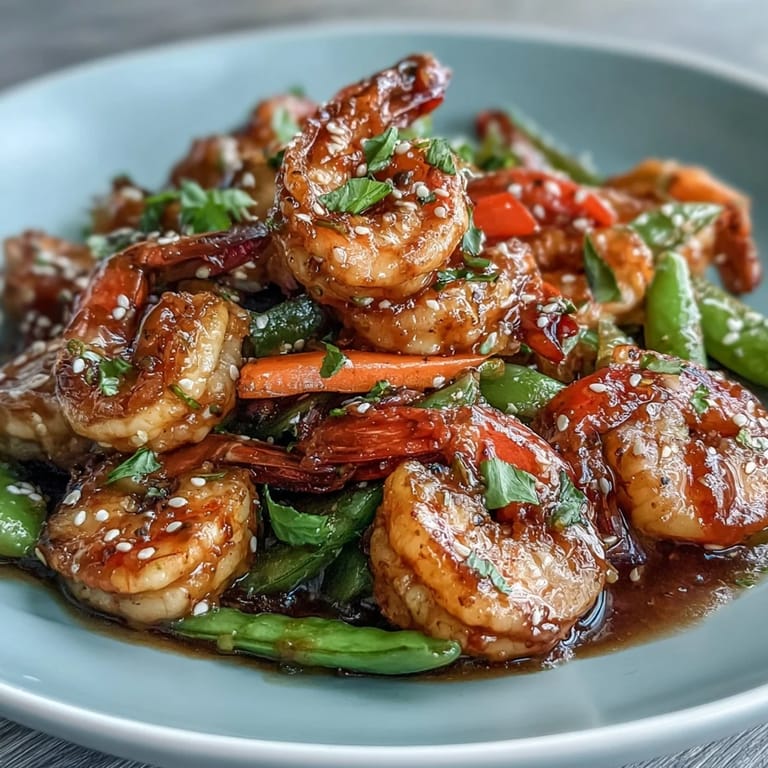
- Return the shrimp to the pan, pour in that sauce you made earlier, and toss everything to coat evenly. Let it cook for another minute or two until the sauce thickens slightly and coats everything like a glaze.
- Plate and garnish with intention:
- Spoon the stir-fry over your warm cauliflower rice, top with those sliced green onions and sesame seeds if you have them, and serve immediately while everything is still hot.
 Save to Pinterest
 The moment I realized this dish was a keeper was when my kid, who usually picks around rice suspiciously, ate an entire bowl of cauliflower rice without commenting on it being anything but regular rice. That's when I knew I'd stumbled onto something that works not just for people chasing health goals, but for anyone who just wants good food that doesn't take forever.
Why High Heat Matters Here
The whole point of stir-frying is that quick, intense heat that keeps vegetables crisp and shrimp tender instead of releasing all their moisture and turning into sad little circles. When you're rushing through twenty minutes, you don't have time to babysit something on medium heat, so crank it up and keep moving. That sizzle you hear isn't just sound, it's the chemical reaction that makes this taste like it came from a proper kitchen, not a rushed weeknight.
Building Flavor Without Cooking Forever
The secret to making this taste complex and intentional instead of like something you threw together is understanding that garlic and ginger do their heavy lifting in seconds, not minutes. That thirty-second bloom in hot oil releases all their essential oils and flavors into the pan, which then coat everything that comes after. By the time you add your vegetables, you've already built an invisible flavor foundation that makes people wonder what you did differently.
Making It Your Own
This dish is genuinely flexible, which is why I keep coming back to it even though I make it constantly. You can swap the shrimp for cubed chicken, crispy tofu, or tempeh depending on what you're craving or what you have defrosted. If you like heat, add a pinch of chili flakes or a dash of sriracha to your sauce, or serve lime wedges on the side so people can add brightness however they want.
- Pre-riced cauliflower saves you a full five minutes of prep if you're really pressed for time.
- Cut your vegetables before you start cooking so you're not fumbling with a knife while things are sizzling.
- If your sauce seems too thin, you can use that cornstarch to thicken it, but honestly it's optional because the vegetables release their own moisture.
 Save to Pinterest
 This meal has become my go-to when I need to prove to myself that eating well doesn't mean spending hours in the kitchen or eating the same boring thing twice. Twenty minutes from start to finish, and somehow you end up with something that tastes like you actually tried.
Recipe Help Center
- → How do I prepare cauliflower rice?
Remove the leaves and core from the cauliflower, then pulse the florets in a food processor until they resemble rice grains. Sauté with a bit of oil and seasoning until tender.
- → Can I substitute the shrimp with other proteins?
Yes, chicken breast, tofu, or tempeh are excellent alternatives that absorb the sauce well for a different flavor profile.
- → What is the best way to keep vegetables crisp-tender?
Stir-fry the vegetables quickly over high heat, stirring constantly to maintain their vibrant color and slight crunch.
- → How can I make the sauce thicker?
Mix a teaspoon of cornstarch with water and add to the sauce while cooking to achieve a thicker consistency.
- → Are there any suggestions to add heat or extra flavor?
Adding chili flakes or a dash of sriracha brings a pleasant kick without overpowering the fresh ingredients.