 Save to Pinterest
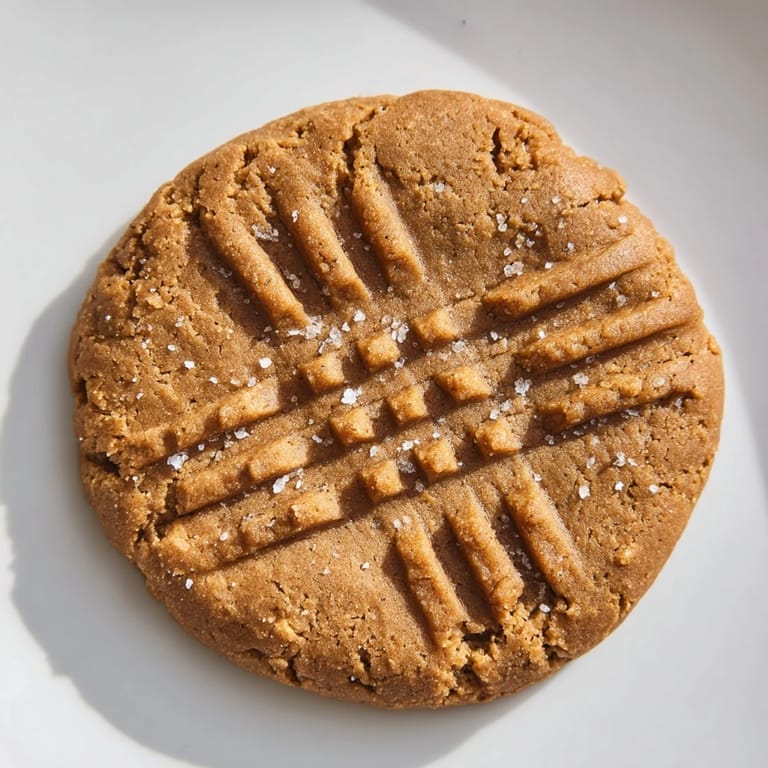
 My neighbor brought over a tin of peanut butter cookies one afternoon, and I watched my daughter devour three before dinner without hesitation. That moment sparked something—I needed to master making them myself, soft and chewy with that irresistible peanut flavor throughout. After a few batches and some happy mistakes, I cracked the formula: don't overbake, use both sugars for depth, and let the fork do the work creating those iconic crosshatches. Now these cookies are my go-to when I need something that feels homemade but comes together in under an hour.
I baked these for a school bake sale, and they sold out before the table next to us finished setting up their brownies. Watching people come back asking if there were more was the kind of small victory that reminds you why you enjoy cooking.
Ingredients
- All-purpose flour (1 1/4 cups): This is your structural backbone—too little and cookies spread into puddles, too much and they become dense little pucks.
- Creamy peanut butter (1 cup): The star ingredient that makes every bite taste authentically nutty; natural or conventional both work, just stir it well if yours has separated.
- Unsalted butter (1/2 cup, softened): Softness matters here—if it's cold, your dough gets lumpy and mixing takes forever.
- Granulated sugar (3/4 cup): This keeps cookies tender and controls how much they spread during baking.
- Light brown sugar (1/2 cup, packed): The secret to chewiness; molasses adds moisture that keeps centers soft even after cooling.
- Egg (1 large): Your binding agent that pulls everything together and helps them set properly in the oven.
- Vanilla extract (1 teaspoon): A small detail that rounds out the flavor and makes people wonder what that subtle warmth is in every bite.
- Baking soda (1/2 teaspoon) and baking powder (1/4 teaspoon): These work together to give cookies a gentle rise and a tender crumb.
- Fine salt (1/4 teaspoon): Brings out the peanut flavor even though you'll barely notice it's there.
Tired of Takeout? 🥡
Get 10 meals you can make faster than delivery arrives. Seriously.
One email. No spam. Unsubscribe anytime.
Instructions
- Set your stage:
- Preheat to 350°F and line two baking sheets with parchment paper—this prevents sticking and gives you even browning on the bottom.
- Mix the dry team:
- Whisk flour, baking soda, baking powder, and salt in a bowl and set aside; you'll fold this in at the end to keep the dough tender.
- Cream the fats and sugars:
- Beat softened butter, peanut butter, granulated sugar, and brown sugar together for about two minutes until the mixture looks light and a bit fluffy; this incorporates air that helps cookies rise gently.
- Wake up the wet ingredients:
- Add the egg and vanilla, mixing until you don't see streaks of yellow anymore—this is when the dough starts smelling incredible.
- Bring it together gently:
- Fold in the dry ingredients slowly, stirring just until flour disappears; overmixing here toughens the dough and nobody wants that.
- Shape and sugar:
- Scoop about a tablespoon of dough per cookie, roll into balls in your palms, and optionally roll in granulated sugar for a subtle sparkle and crunch on the outside.
- Create the crosshatch:
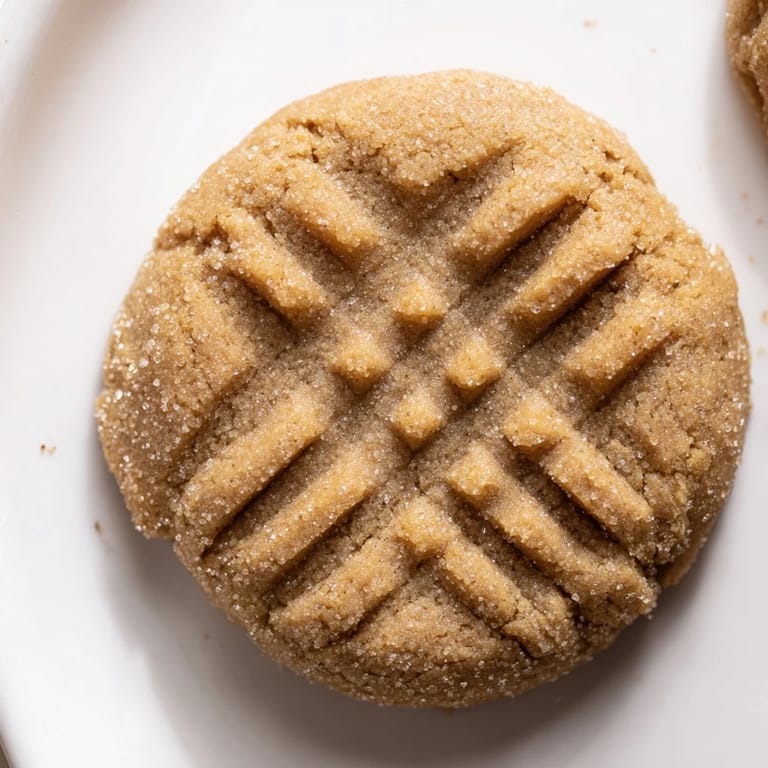
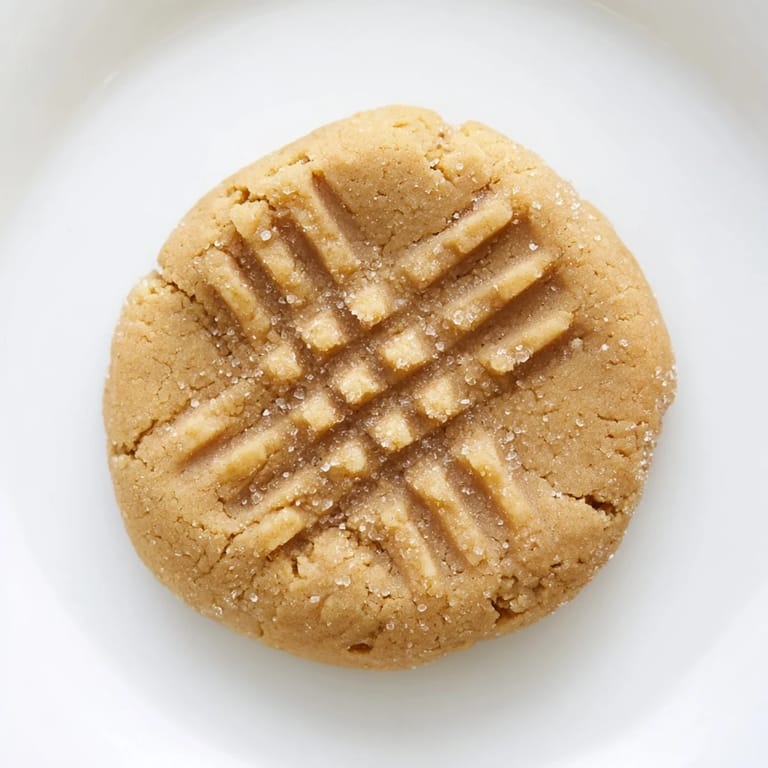
- Place balls two inches apart on your prepared sheets, then press down gently with a fork in one direction, lift, rotate ninety degrees, and press again; this flattens them to the perfect thickness.
- Bake until golden edges appear:
- Bake for ten to twelve minutes—the edges should turn light golden while centers still look slightly underdone and soft to the touch.
- Cool with patience:
- Let them rest on the baking sheet for five minutes to firm up slightly, then move to a wire rack where they'll continue setting as they cool.
 Save to Pinterest
 My daughter once asked if she could help make these, and I handed her the fork to do the crosshatching pattern. She took her job so seriously, pressing with focus like she was creating art—which, in a way, she was. These cookies will do that, turning a simple baking afternoon into something worth remembering.
Variations to Keep Them Interesting
Once you master the basic recipe, small additions open up new possibilities without changing the core technique. Chunky peanut butter swaps in seamlessly for creamy, adding little bursts of texture that some people prefer. Chocolate chips stirred into the dough, or chopped peanuts sprinkled on top before baking, transform these into dressed-up versions that still taste homemade. Even a drizzle of melted chocolate across the finished cookies elevates them for special moments.
Storage and Keeping Them Fresh
These cookies stay soft for three to four days in an airtight container at room temperature, making them perfect for planning ahead. I keep a container on the counter for snacking and often find myself reaching for one with morning coffee, or wrapping a couple in parchment paper to toss into a lunchbox. If you're not eating them fast enough—which honestly is a rare problem—they freeze beautifully for up to two months, so you can always have fresh-tasting cookies available on short notice.
Why This Recipe Works Every Time
The balance of butter and peanut butter creates richness without heaviness, while two types of sugar ensure tenderness and chewiness simultaneously. The ratio of dry to wet ingredients keeps cookies from spreading too much or staying cakey, hitting that sweet spot between chewy and structured. This recipe respects the fundamentals of baking while staying forgiving enough for home cooks to nail it their first try.
- Room temperature ingredients mix more smoothly and create better texture in the finished cookies.
- Don't skip the salt—even a pinch amplifies the peanut flavor in surprising ways.
- Dough temperature matters; chilling for fifteen minutes before baking prevents excessive spreading if your kitchen runs warm.
 Save to Pinterest
 These cookies have become my reliable answer when I need something warm, familiar, and genuinely delicious. Whether you're baking for yourself, sharing with someone who matters, or just craving that peanut butter satisfaction, this recipe delivers without fuss.
Recipe Help Center
- → How do I get the classic crosshatch pattern?
Use a fork to gently press down on each dough ball twice, creating a crisscross design before baking.
- → What makes these cookies soft and chewy?
The balance of creamy peanut butter with brown and granulated sugars helps retain moisture, resulting in a tender texture.
- → Can I use crunchy peanut butter instead?
Yes, chunky peanut butter adds texture and a more pronounced peanut flavor to these treats.
- → How should I store the cookies after baking?
Store in an airtight container at room temperature to maintain softness and freshness for several days.
- → Are there any suggested variations?
Consider adding chocolate chips or chopped peanuts for extra flavor and crunch.
- → What’s the best way to avoid crumbly cookies?
Ensure ingredients are well combined but avoid overmixing; also, measure flour accurately to keep the right dough consistency.