 Save to Pinterest
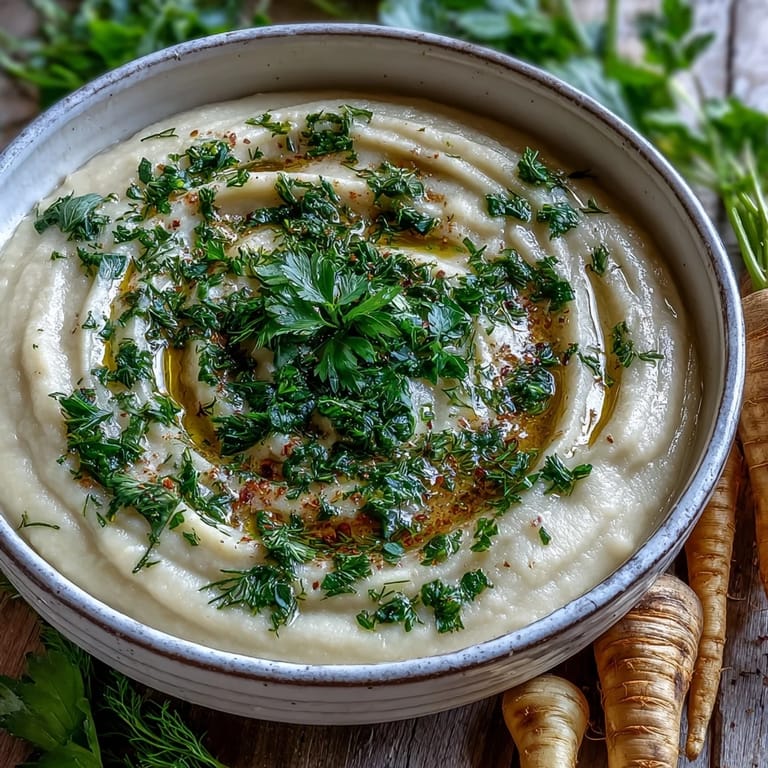
 There's something quietly magical about roasted parsnips—that moment when they emerge from the oven with caramelized edges and a sweet, almost honeyed aroma filling the kitchen. I stumbled onto this soup one October afternoon when a farmer's market haul of parsnips seemed too good to waste, and what started as an experiment became something I'd make again and again. The roasting step isn't just technique; it's where the parsnips transform, developing a depth that raw ones could never achieve. When blended smooth with just a whisper of herbs and cream, it becomes the kind of soup that makes you pause mid-spoonful and actually taste what you're eating.
I made this for a dinner party once and watched people ask for seconds, which surprised me because I'd been nervous about serving something so simple. One guest mentioned she'd never thought to roast parsnips before, and suddenly we were both in the kitchen talking about how cooking methods can completely change your relationship with an ingredient. That night solidified it for me—this soup had become the kind of thing worth making whenever someone needs comfort in a bowl.
Ingredients
- Parsnips (800 g, peeled and chunked): These are your star; the natural sugars concentrate when roasted, so don't skip that step or you'll miss the whole point.
- Potato (1 medium, diced): Not just filler—it adds body and helps create that silky texture without needing cream.
- Onion and garlic (1 medium onion, 2 cloves): Roast these alongside the parsnips so they caramelize too, adding savory depth.
- Vegetable stock (1 L): Quality matters here since it's your foundation; homemade is ideal if you have it, but a good shop-bought version works perfectly.
- Milk (200 ml, whole or plant-based): Added at the end to smooth everything out without making it heavy, and you can adjust the amount based on how thick you like your soup.
- Olive oil (2 tbsp): Use it generously on the vegetables before roasting—it's what creates those golden, caramelized edges.
- Bay leaf and thyme: Just enough to whisper in the background without overpowering the parsnips themselves.
- Fresh parsley, chives, and dill (2 tbsp each, roughly): These are your secret weapon for brightness; add them after blending so they stay vibrant and fresh-tasting.
- White pepper and salt: White pepper keeps the soup's color clean and the flavor refined, but black pepper works if that's what you have.
Tired of Takeout? 🥡
Get 10 meals you can make faster than delivery arrives. Seriously.
One email. No spam. Unsubscribe anytime.
Instructions
- Heat the oven and prep your vegetables:
- Get your oven to 200°C (400°F) while you peel and chop the parsnips into roughly equal chunks so they roast evenly. Chop your onion into similar-sized pieces and leave the garlic cloves whole—they'll soften and turn sweet.
- Roast until golden:
- Toss everything with olive oil, spread it on a baking tray, and roast for 25 to 30 minutes, stirring halfway through. You're looking for edges that are browned and caramelized, and the parsnips should give slightly when you press them.
- Build the soup base:
- Transfer your roasted vegetables to a large saucepan, add the diced potato, bay leaf, fresh thyme, white pepper, and vegetable stock. Bring it to a boil, then lower the heat and let it simmer gently for about 15 minutes until the potato is completely soft.
- Blend to silky smoothness:
- Fish out the bay leaf, then use an immersion blender to puree everything until completely smooth—or carefully transfer to a regular blender in batches. The texture should be velvety, like silk.
- Add the milk and season:
- Pour the soup back into the pan, stir in the milk, and heat through gently without letting it boil or it might split. Taste and adjust the salt—it often needs more than you'd expect.
- Finish with fresh herbs and serve:
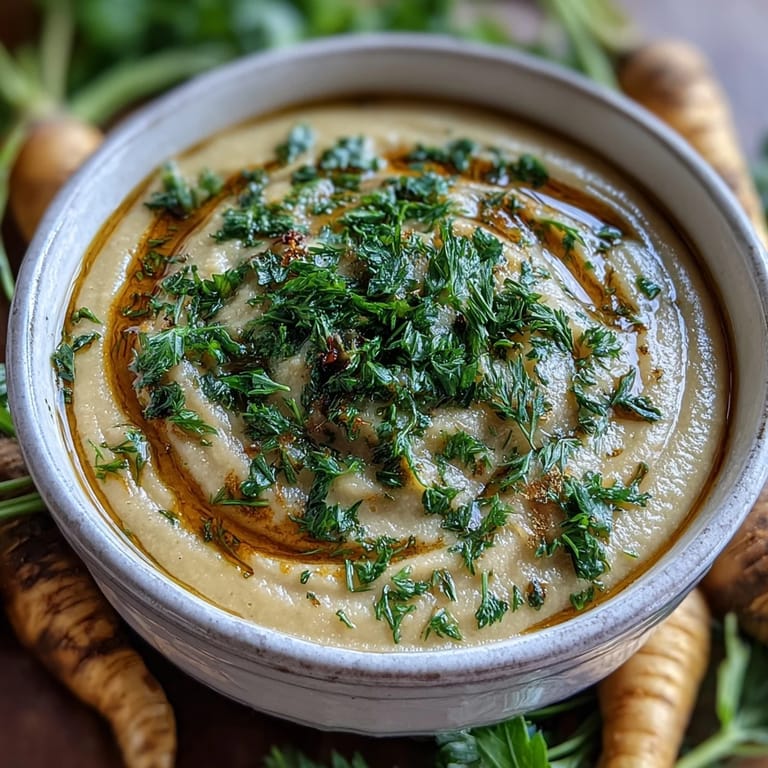
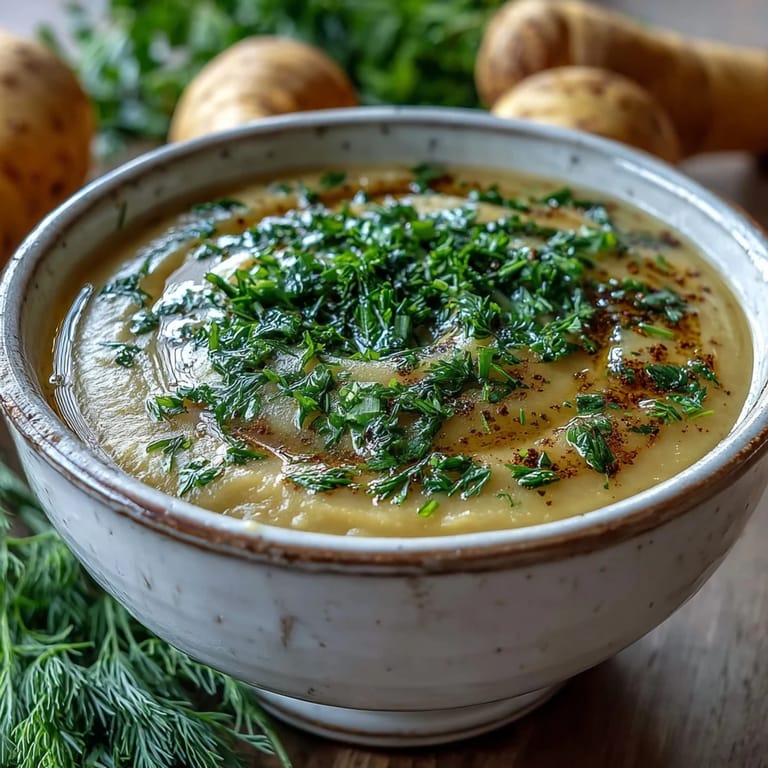
- Stir in all that chopped parsley, chives, and dill right before ladling into bowls. A drizzle of olive oil or a spoonful of cream on top makes it feel finished, and a scatter of extra herbs adds both flavor and a bit of visual charm.
 Save to Pinterest
  Save to Pinterest
 I remember serving bowls of this on a cold November evening when my flatmate was feeling genuinely under the weather, and she actually asked for the recipe instead of just saying thanks. Food does that sometimes—it becomes a small act of care, something tangible and warm in your hands when everything else feels uncertain.
The Magic of Roasting Root Vegetables
There's real chemistry happening when parsnips hit a hot oven. The natural sugars caramelize, creating depth and complexity that you simply cannot achieve by boiling them raw into the stock. Once you notice this with parsnips, you start seeing it everywhere—in carrots, beets, even humble celery root. It's one of those cooking moments that changes how you approach vegetables altogether, making you think twice before taking the quickest route to the finish line.
Making It Your Own
This soup has a beautiful blank canvas quality that invites experimentation without demanding it. A pinch of nutmeg adds warmth and spice, while a tiny squeeze of lemon juice at the end brightens everything if it feels flat. Some people swear by a whisper of cumin or coriander, and honestly, they're onto something—just go easy so the parsnips remain the main character.
Serving and Pairing Ideas
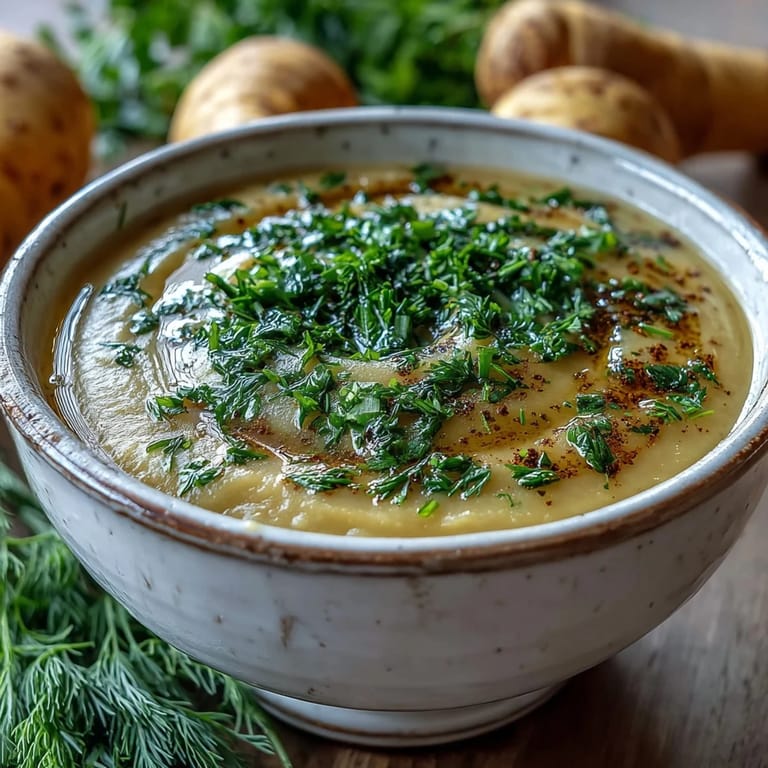
This soup is equally at home as an elegant starter at a dinner party or as a quiet lunch with crusty bread and a book. It keeps beautifully in the fridge for three days, and reheats gently on the stove with a splash of extra milk if it's thickened. Pair it with a crisp Sauvignon Blanc or a dry cider, or simply serve it with something to soak up every last spoonful.
- Toast thick slices of bread with olive oil and a scatter of sea salt for dipping and scooping.
- Squeeze a little lemon juice into your bowl just before eating if you want a subtle brightness without announcing itself.
- Make extra on a Sunday and freeze portions for busy weeknight suppers when you need something nourishing but effortless.
 Save to Pinterest
  Save to Pinterest
 This soup has quietly become one of my go-to recipes precisely because it's never precious about itself. Make it, share it, tweak it—it's sturdy enough to handle your experiments and good enough that people will genuinely want more.
Recipe Help Center
- → Can I make this soup ahead of time?
Yes, this soup keeps well in the refrigerator for up to 3 days. Store in an airtight container and reheat gently on the stovetop. Add fresh herbs just before serving for the best flavor and color.
- → What can I substitute for parsnips?
Carrots, celeriac, or a combination of both work well as substitutes. Keep the same roasting method for sweet, caramelized flavors. The soup will have a slightly different taste but remain delicious.
- → How do I make this soup vegan?
Simply replace the whole milk with unsweetened almond, oat, or soy milk. Skip any cream garnish or use a plant-based alternative. Ensure your vegetable stock is also vegan-certified.
- → Why roast the vegetables first?
Roasting caramelizes the natural sugars in parsnips, onion, and garlic, creating deeper, sweeter flavors. This step adds richness and complexity that you won't get from simply boiling the vegetables.
- → Can I freeze this soup?
Yes, this soup freezes beautifully for up to 3 months. Freeze before adding fresh herbs and milk if possible. Thaw overnight in the refrigerator, then reheat gently and stir in milk and herbs when serving.
- → What herbs can I use if I don't have parsley, chives, and dill?
Fresh basil, cilantro, or tarragon all work well. Even a single herb like parsley alone will add freshness. Use whatever soft herbs you have on hand for a personalized finish.