 Save to Pinterest
 Years ago, a friend served me celery root soup at a dinner party, and I spent half the evening asking how she'd made something so impossibly silky and refined. She laughed and said it was one of the easiest things in her kitchen, that the vegetable itself did most of the work—you just had to treat it kindly. That conversation changed how I approached soup-making entirely, turning what I thought was complicated into something genuinely peaceful to prepare.
I made this for my parents one rainy Sunday, and my dad—who genuinely believes soup is just something to tolerate—actually asked for seconds. Watching him discover that cream and celery root together create something almost sweet was one of those quiet kitchen moments that reminded me why cooking for people matters. He kept saying it tasted like something from a Michelin-starred restaurant, which made my mother laugh because the whole thing had taken me barely an hour while we listened to the rain.
Ingredients
- Celery root (700 g / 1.5 lb): The star ingredient—earthy but mild, with a texture that becomes perfectly creamy when blended; peel it generously to remove the tough outer layer, then dice it into similar-sized pieces so everything cooks evenly.
- Yukon Gold potato: Adds natural creaminess and body without any graininess; waxy potatoes are your friend here because they hold together better than starchy varieties.
- Leek, white and light green parts: The subtle sweetness that makes this soup feel luxurious; slice it carefully and rinse between layers to catch any hidden sand.
- Yellow onion and garlic: The quiet foundation that deepens the flavor without announcing itself; don't skip the garlic mincing step because chunks will stubbornly float around.
- Vegetable broth (4 cups / 1 liter): Quality matters here since the broth becomes the base; use low-sodium so you can control the salt yourself.
- Whole milk and heavy cream: The reason this tastes like velvet; the combination of both creates a texture that single cream alone simply cannot achieve, but plant-based versions work beautifully if that's your preference.
- Unsalted butter or olive oil (2 tbsp): Butter gives a richer flavor, but olive oil makes it vegan-friendly without sacrificing depth.
- Bay leaf, white pepper, and salt: White pepper keeps the color pristine and tastes cleaner than black; the bay leaf should always be removed because if it breaks up, it becomes impossible to fish out later.
- Chives or parsley for garnish: The final touch that says you actually care; freshly chopped makes an enormous visual and flavor difference.
Tired of Takeout? 🥡
Get 10 meals you can make faster than delivery arrives. Seriously.
One email. No spam. Unsubscribe anytime.
Instructions
- Sauté the aromatic base:
- Melt butter in your pot over medium heat and add the sliced leek, onion, and garlic—listen for that gentle sizzle and watch until everything turns soft and translucent, which takes about 5 minutes. You're creating the foundation here, so resist the urge to crank up the heat; low and slow means the vegetables soften without browning or burning.
- Introduce the main vegetables:
- Add your diced celery root and potato directly to the pot and cook for another 3 minutes, stirring occasionally so they get lightly coated in the buttery base. You'll notice the celery root releases a faint, slightly nutty aroma—that's when you know it's ready for the broth.
- Build the soup with broth and time:
- Pour in the vegetable broth, add the bay leaf, and bring everything to a gentle boil before reducing heat and covering the pot. Let it simmer quietly for 25 minutes—this is when the vegetables become so tender they practically melt, which is exactly what you want for blending.
- Blend into silky smoothness:
- Once the vegetables are completely soft, remove and discard the bay leaf, then use an immersion blender to purée the soup directly in the pot, moving it slowly through the mixture until no lumps remain. If you're using a countertop blender, work in batches and never fill it more than halfway—hot liquid plus a full blender is a lesson nobody wants to learn.
- Finish with cream and seasoning:
- Stir in the milk and cream gently and warm the soup through without letting it boil, which would separate the dairy and make it look broken. Taste as you go, adding salt and white pepper until the flavors taste balanced and the celery root flavor shines through without anything tasting dull.
- Serve with intention:
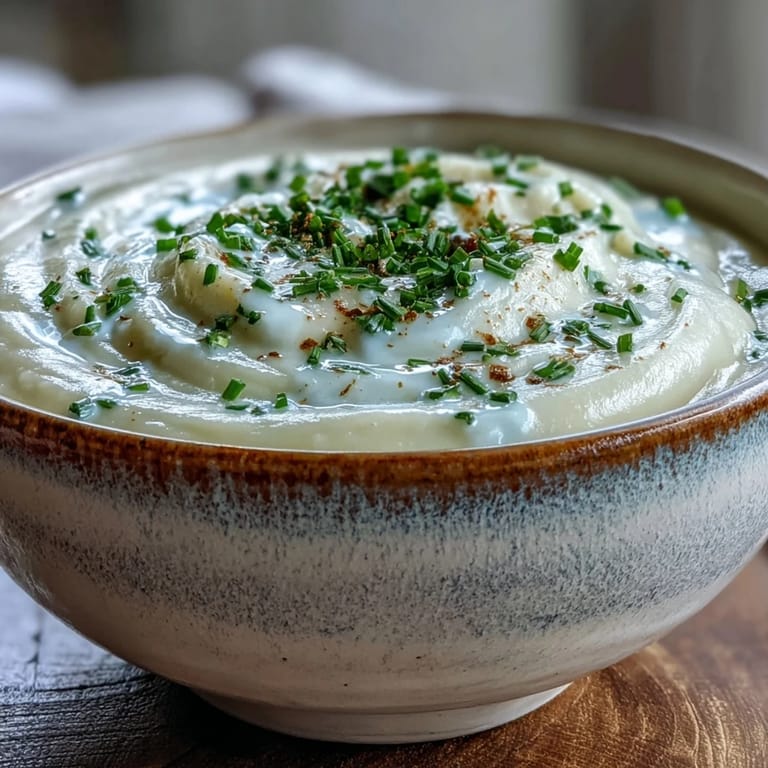
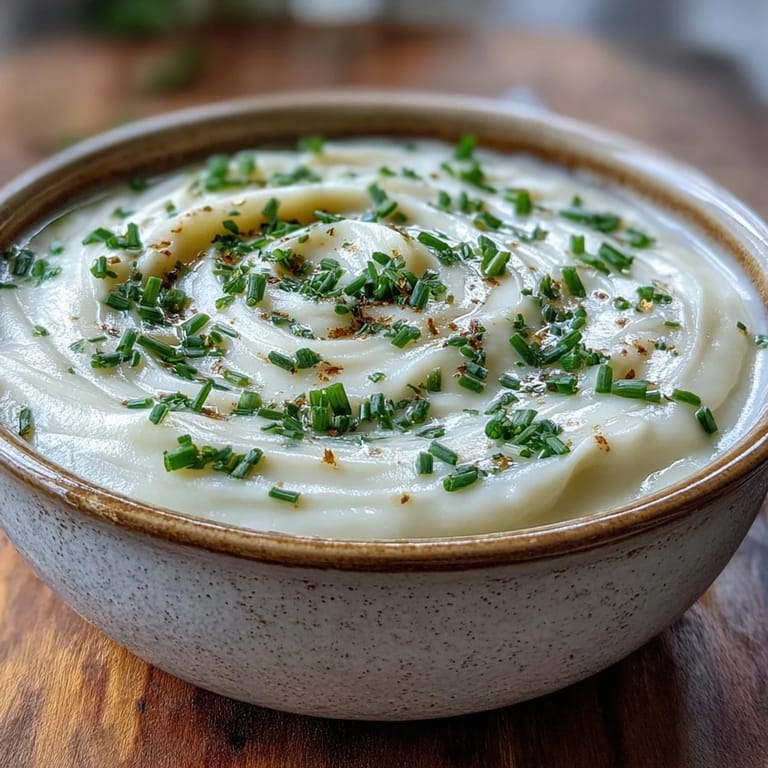
- Ladle the soup into bowls that you've warmed first (a trick that keeps it hot longer), and garnish with your chopped chives and a delicate drizzle of cream if you want to be fancy. The garnish isn't just decoration—it adds a fresh contrast to the richness and shows that you've thought about every element.
 Save to Pinterest
  Save to Pinterest
 There's something genuinely touching about a soup that tastes expensive but feels approachable, that makes people slow down at the dinner table and actually pay attention to what they're eating. This recipe became the one I reach for when I want to cook something that feels special but doesn't require me to stress—it's quietly confident in that way that the best dishes always are.
Why Celery Root Deserves Your Attention
Most home cooks overlook celery root entirely, assuming it's some obscure ingredient for restaurant kitchens only, but it's genuinely one of the most approachable vegetables once you understand what it does. The flavor is subtle and refined—less aggressive than regular celery, almost creamy even before blending—and it has this natural affinity for cream that feels almost intentional. The first time I bit into a spoonful, I understood why chefs loved working with it; it elevates without demanding attention.
Timing and Make-Ahead Magic
One of the greatest gifts this soup gives you is flexibility: you can make it entirely ahead, refrigerate it overnight, and simply reheat it gently when you're ready to serve. The flavors actually deepen as they sit, so you're not just saving time—you're potentially improving the dish. If you're serving for a dinner party, this means you can prepare everything the day before and spend your evening being present instead of panicked.
Pairing and Serving Suggestions
This bisque pairs beautifully with crusty bread, ideally something you can tear into pieces and dip without hesitation, and it drinks well alongside crisp white wines with mineral notes—a Sauvignon Blanc or Albariño complements it perfectly. The soup also works wonderfully as a first course before something simple like roasted fish or chicken, and it's elegant enough for special occasions but comfort-food enough for regular Tuesdays.
- Toast your bread with a little butter beforehand so it has substance and doesn't fall apart in the soup.
- If you're making this dairy-free, use oat or cashew cream for the richest texture, not thin milk alternatives.
- Taste and adjust seasoning just before serving because salt needs can shift slightly after sitting in the refrigerator overnight.
 Save to Pinterest
  Save to Pinterest
 This is the kind of soup that reminds you cooking doesn't have to be complicated to be meaningful. Make it, and you'll understand why my friend guards this recipe like a secret.
Recipe Help Center
- → Can I make this bisque ahead of time?
Yes, this bisque keeps well in the refrigerator for up to 3 days. Prepare through step 5, let cool completely, then refrigerate. Reheat gently over low heat, stirring occasionally, and adjust seasoning before serving.
- → What can I substitute for celery root?
While celery root provides a unique subtle flavor, you can substitute with cauliflower or parsnips for a different but equally creamy result. The texture will remain velvety, though the flavor profile will change.
- → How do I make this completely vegan?
Replace butter with olive oil, use unsweetened plant-based milk (such as cashew or oat milk), and substitute non-dairy cream (coconut or cashew cream works beautifully). Ensure your vegetable broth is vegan-certified.
- → Why use white pepper instead of black pepper?
White pepper provides a milder, more refined flavor that complements the delicate celery root without adding visible specks. This maintains the bisque's elegant, smooth appearance while adding subtle warmth.
- → Can I freeze this bisque?
Yes, but freeze it before adding the cream. Cool completely, portion into freezer-safe containers, and freeze for up to 2 months. Thaw overnight in the refrigerator, reheat gently, then stir in the cream before serving.
- → What wine pairs best with celery root bisque?
A crisp, mineral-driven white wine such as Chablis, Sancerre, or Albariño complements the earthy, subtle flavors beautifully. The wine's acidity cuts through the cream while enhancing the vegetable notes.