 Save to Pinterest
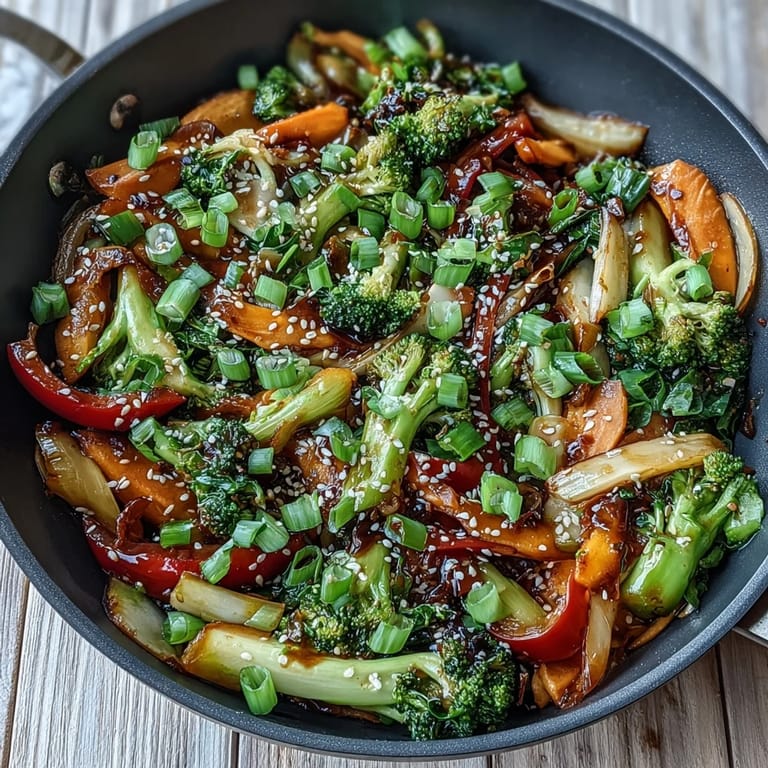
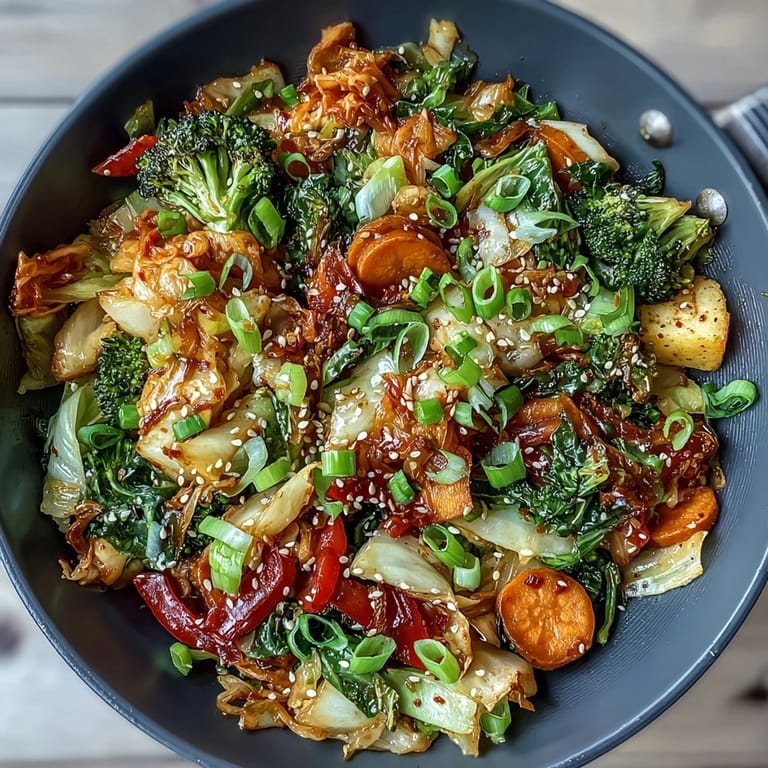
 There's something about the sound of vegetables hitting hot oil on a cold winter evening that makes you feel like you're doing something right in the kitchen. My sister called mid-chop one February, complaining about the gray weather, and I found myself throwing together whatever colorful winter vegetables I had on hand with a jar of kimchi that had been quietly fermenting in my fridge. That one phone call turned into this stir-fry, and now whenever the temperature drops, I'm back here with my wok sizzling and my kitchen filling with that exact smell of ginger and sesame.
I made this for a dinner party last year when someone's dietary restriction list looked like a restaurant menu's nightmare section. Everyone gathered around the stove watching the colors intensify as I tossed things in the wok, and by the time I added the kimchi at the end, the whole table leaned in like I was revealing a secret. It wasn't fancy, but it felt generous, and that's when I knew this was the kind of recipe worth keeping close.
Ingredients
- Broccoli florets: Choose tight, vibrant green heads and cut them into roughly equal sizes so they cook evenly without any pieces going soft while others stay stubborn.
- Carrots: Bias-cut slices cook faster and catch the heat beautifully, plus they look elegant without any extra effort.
- Parsnip: Often overlooked in stir-fries, but this sweet root vegetable adds an earthy depth that makes everything taste more complex than it actually is.
- Sweet potato: The matchstick shape is crucial here—thin enough to soften in minutes but sturdy enough not to disappear into mush.
- Green cabbage: Shredded finely, it wilts into tender ribbons and acts like a sponge for all those savory flavors you're building.
- Red bell pepper: Added toward the end so it stays crisp and keeps its fruity sweetness rather than becoming just another soft vegetable.
- Fresh ginger: Grate it instead of mincing—the fine texture releases oils faster and distributes more evenly throughout the oil.
- Garlic: Mince it small so it toasts quickly without burning, which happens faster than you'd expect in a hot wok.
- Toasted sesame oil: This is non-negotiable; the toasted kind has flavor that's already been coaxed out, so a little goes a long way.
- Soy sauce or tamari: Tamari works beautifully if you're avoiding gluten, and honestly, you won't notice the difference in taste.
- Rice vinegar: A splash of acidity brightens everything and keeps the dish from tasting heavy, especially important with all these root vegetables.
- Maple syrup or honey: Just enough to balance the salty and sour, hitting that savory-sweet note that makes you want another bite.
- Kimchi: Added off-heat to preserve those living probiotics; the fermented funk ties everything together and adds a spicy-sour complexity you can't fake.
- Green onions: Slice them fresh right before serving so they have that bright, crisp bite rather than wilting into nothing.
- Sesame seeds: Toast them yourself if you can—they'll be nuttier and smell incredible, making you look like you took more time than you actually did.
Tired of Takeout? 🥡
Get 10 meals you can make faster than delivery arrives. Seriously.
One email. No spam. Unsubscribe anytime.
Instructions
- Set yourself up for success:
- Prep all your vegetables and aromatics before the heat goes on, because once that wok gets hot, there's no time to fumble with a grater or knife. I've learned this the hard way, standing there with half-prepped garlic while my pan screams at me.
- Get the oil singing:
- Heat that sesame oil until it shimmers and moves like liquid rather than sitting still—you want it hot enough that your ginger and garlic sizzle on contact but not smoking. This should take about a minute over medium-high heat.
- Wake up your aromatics:
- Add the ginger and garlic and let them toast for just 30 seconds; you're looking for that moment when your kitchen suddenly smells like an Asian restaurant and you know something good is happening. Don't walk away—they go from fragrant to burnt faster than you'd think.
- Tackle the sturdy vegetables first:
- Throw in your carrots, parsnip, sweet potato, and broccoli and keep the wok moving with a wooden spoon or spatula, scraping the bottom so nothing sticks. Four to five minutes and they should start looking glossy and slightly softened at the edges but still with some resistance when you bite them.
- Bring in the quicker vegetables:
- Add your cabbage and bell pepper and keep tossing for another three to four minutes—you're looking for that crisp-tender texture where everything still has a bit of life to it. The cabbage will shrink considerably and the pepper will brighten in color.
- Build your sauce moment:
- While the vegetables are finishing, whisk together your soy sauce, rice vinegar, and maple syrup in a small bowl, which takes maybe a minute and makes you feel organized. Pour it over everything and toss until every piece is coated and glistening.
- Honor the kimchi:
- Finish gently:
- Remove the pan from heat before adding your chopped kimchi—this is important because heat kills those beneficial bacteria you're eating this for in the first place. Fold it in gently so it stays in recognizable pieces rather than dissolving into the background.
- Plate with intention:
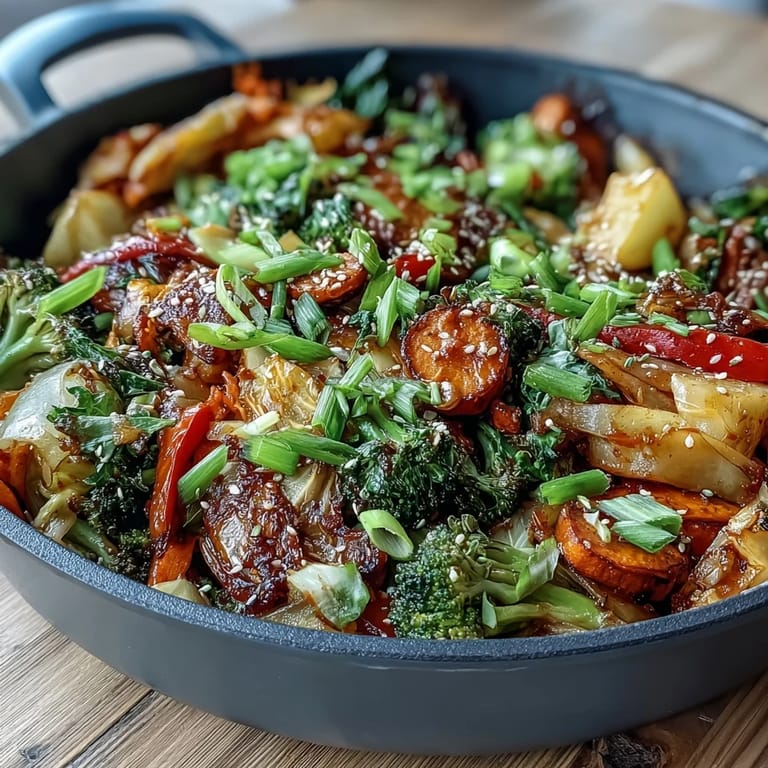
- Serve immediately while everything still has heat and texture, scattered with green onions and sesame seeds if you have them on hand. The warmth of the vegetables against the cool, tangy kimchi is where the magic actually lives.
 Save to Pinterest
 My neighbor came over on a particularly bleak Wednesday evening, and I served her this stir-fry over some rice I'd made that morning. She asked for the recipe before she'd finished eating, and there was something about that moment—someone wanting to recreate what you made—that shifted how I thought about this dish.
Why Winter Vegetables Deserve Better
Winter produce gets a reputation for being heavy and dull, but in a wok where things move fast and heat is high, these vegetables become something else entirely. The parsnip develops this subtle sweetness, the sweet potato caramelizes at the edges, and the broccoli actually tastes like something you want to eat rather than something you're forcing yourself through. This is the time of year when these vegetables are cheapest and at their peak, so it feels almost criminal not to take advantage.
The Kimchi Question
Kimchi brands vary wildly, and some have fish sauce while others don't, so if you're vegan or avoiding seafood, you'll want to check the label carefully. I've made peace with reading ingredient lists in the grocery store aisle because there's nothing worse than bringing something home that doesn't fit your needs. The spice level also varies dramatically, so taste a tiny piece before you dump the whole jar in, since some brands are genuinely fiery while others are almost mild.
Making It Your Own
This recipe is honestly just a template, and the vegetables I've listed work beautifully together but aren't sacred. Kale instead of cabbage, turnip instead of parsnip, or even Brussels sprouts if you're feeling that direction—whatever you have in your crisper drawer that's still fresh enough to use will work.
- Serve it over rice, quinoa, soba noodles, or even mashed potatoes if you want to go unconventional and delicious.
- If you want more protein, crumbled tofu or cashews tossed in at the end add substance without overthinking things.
- Double the sauce if you like more moisture, or skip it entirely if you prefer things dry and focused on vegetable flavor.
 Save to Pinterest
 This stir-fry sits somewhere between comfort food and nourishment, the kind of dish that tastes good and makes you feel like you're doing something right for your body at the same time. Keep it simple, taste as you go, and remember that the best version of this recipe is the one that makes it into your regular rotation.
Recipe Help Center
- → Why add kimchi at the end of cooking?
Adding kimchi off the heat preserves the beneficial probiotics and enzymes that can be destroyed by high temperatures. It also maintains the kimchi's crisp texture and vibrant tangy flavor.
- → Can I use other fermented vegetables?
Absolutely. Sauerkraut, pickled radishes, or fermented carrots work beautifully as alternatives. Choose fermented vegetables that complement the winter vegetables' sweetness.
- → What vegetables work best for winter stir-fries?
Root vegetables like carrots, parsnips, sweet potatoes, and turnips hold up well to high-heat cooking. Broccoli, cabbage, and bell peppers add color and crunch while balancing the earthier roots.
- → Is this dish suitable for meal prep?
Yes, though the vegetables will soften when reheated. For best texture, store the stir-fried vegetables separately from the kimchi and combine just before serving. Reheat gently over medium heat.
- → How can I add more protein?
Adding tofu, edamame, or chickpeas during the last few minutes of cooking boosts protein while keeping it plant-based. For a non-vegetarian version, shredded chicken or shrimp work well too.
- → Can I make this gluten-free?
Simply substitute tamari for soy sauce and verify your kimchi is gluten-free, as some brands contain wheat-based seasonings or fish sauce with gluten additives.