 Save to Pinterest
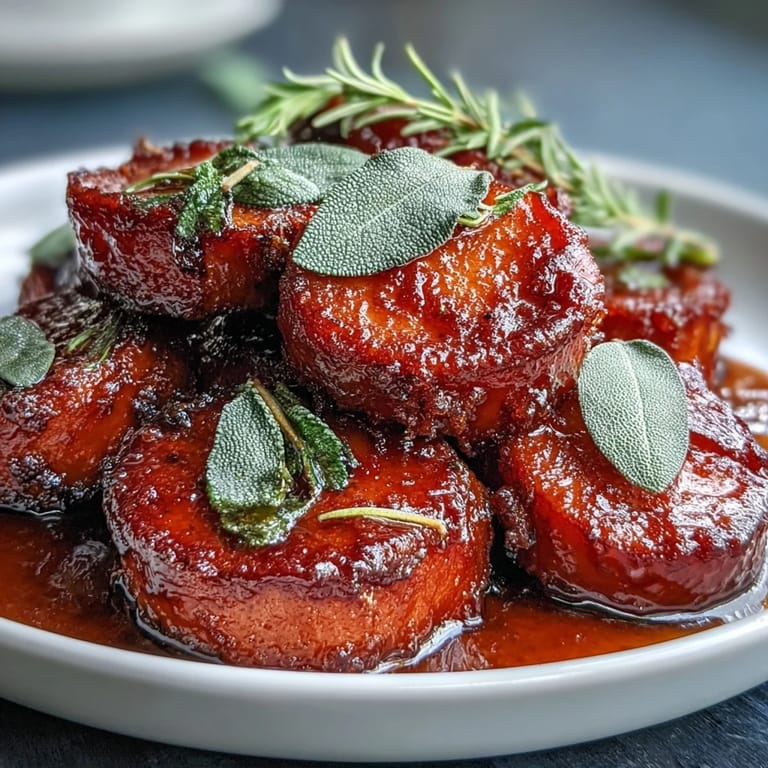
 My aunt once brought candied yams to Thanksgiving that tasted like dessert masquerading as a side dish, and I spent years trying to recreate that magic. Then one November, while browning butter for something entirely different, the nutty aroma hit me like a memory I didn't know I had, and suddenly I understood what had been missing all along. That's when sage entered the picture—not as an afterthought, but as the reason the whole dish finally clicked into place. The brown butter turned everything warm and sophisticated, while the sage whispered something herbaceous that made people pause mid-bite and ask what was different this year.
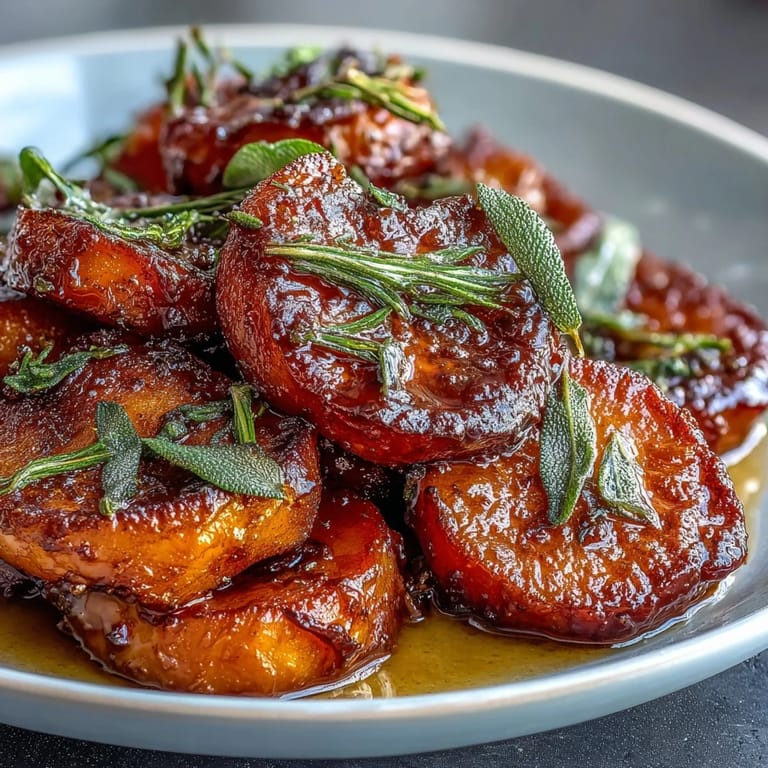
I made this for the first time when my partner's family was coming over and I was terrified of disappointing them with my take on a classic. Watching the butter foam and turn golden while the sage leaves danced in the pan, I felt this strange calm wash over me. When I pulled the dish from the oven and the kitchen filled with that caramelized, herbal warmth, I knew I'd nailed it before anyone even tasted it. Their faces when they tried it told me everything I needed to know.
Ingredients
- Yams (3 pounds, peeled and cut into 1-inch rounds): The star of the show—their natural sweetness becomes almost creamy when baked, and uniform thickness ensures they cook evenly so no piece is crunchy while another falls apart.
- Unsalted butter (8 tablespoons): This is non-negotiable because browning butter is about coaxing out its deepest, nuttiest flavors, and any salt would interfere with that transformation.
- Fresh sage leaves (10, chopped): Don't even think about dried sage here—the fresh leaves add a peppery brightness that dried simply cannot deliver, and they infuse the butter with something almost floral.
- Packed light brown sugar (1/2 cup): The molasses in brown sugar adds depth and prevents the glaze from tasting one-dimensional or cloying.
- Pure maple syrup (1/4 cup): Use real maple syrup, not the pancake stuff, because the genuine article has a complexity that actually complements the savory sage instead of fighting it.
- Fresh orange juice (1/4 cup): Squeeze it yourself if you can—the brightness cuts through the richness and prevents the whole dish from feeling heavy.
- Ground cinnamon (1/2 teaspoon), ground nutmeg (1/4 teaspoon), and kosher salt (1/4 teaspoon): These three work together to add warmth and subtle sophistication without announcing themselves loudly.
- Vanilla extract (1 teaspoon): A small amount rounds out the spices and deepens the overall flavor profile in a way most people can't quite identify but absolutely notice.
Tired of Takeout? 🥡
Get 10 meals you can make faster than delivery arrives. Seriously.
One email. No spam. Unsubscribe anytime.
Instructions
- Set up your stage:
- Preheat your oven to 375°F and lightly grease a 9x13-inch baking dish—this matters because you want the yams to release easily later, and a well-prepared dish makes the whole process feel intentional.
- Arrange the yams:
- Lay your yam rounds in a single layer, overlapping them slightly if needed, so they nestle together like they're ready for a long, gentle cook.
- Brown the butter and sage:
- In a medium saucepan over medium heat, watch the butter closely as it melts and starts to foam—this is the crucial moment where you swirl it often, listening for that subtle sizzle to change, until it turns golden and smells like toasted nuts and autumn. Once it reaches that perfect nutty stage, immediately add the chopped sage and let it cook for just 30 seconds, filling the kitchen with an aroma that promises something special.
- Build the glaze:
- Remove from heat and whisk in the brown sugar, maple syrup, orange juice, cinnamon, nutmeg, salt, and vanilla—the mixture should come together smooth and glossy, like liquid caramel with personality.
- Coat and cover:
- Pour this glaze evenly over your yams and gently toss them until every piece is coated, then cover the dish tightly with foil—this traps steam and lets the yams become fork-tender.
- First bake:
- Slide into the oven for 30 minutes covered, during which time the yams will soften and the flavors begin to meld together.
- Uncover and finish:
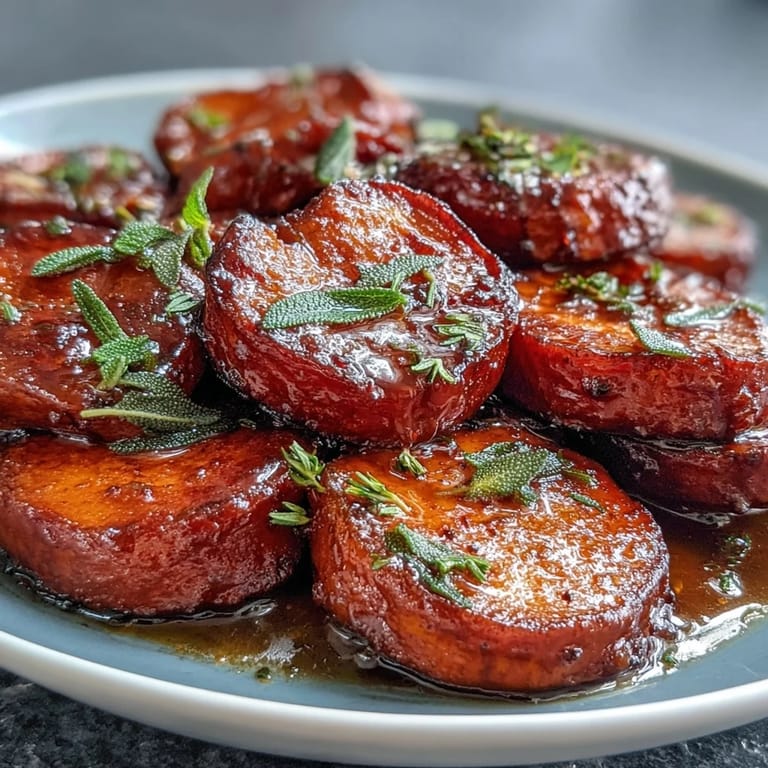
- Remove the foil, baste the yams with all those pan juices (this is when the magic happens), and bake uncovered for another 15 minutes until the yams are completely tender and the glaze has thickened into something almost jam-like.
- Rest and serve:
- Let the dish sit for 5 minutes—this gives the glaze a moment to set slightly and makes everything easier to plate. Finish with a handful of fresh sage if you're feeling fancy, or leave it as is.
 Save to Pinterest
 The first time a guest asked me for the recipe, I realized this dish had become more than just something to eat—it had become a conversation starter, a moment where people slowed down and actually tasted what they were having. That's when I knew I'd found something worth holding onto.
The Magic of Brown Butter
Brown butter is one of those kitchen tricks that sounds complicated but is actually just patience rewarded. The butter's milk solids sink to the bottom of the pan and toast slowly, releasing nutty, caramelized flavors that regular melted butter simply cannot achieve. Once you understand this—that heat transforms butter into something entirely different—you'll start using brown butter everywhere, from desserts to vegetables to pasta dishes. It's a small technique that completely changes what's possible in your kitchen.
Why Fresh Sage Works Here
Sage has this peppery, almost minty quality that fresh herbs bring to a dish, and when combined with brown butter, it creates a sophistication that feels almost savory despite all the sweetness surrounding it. The challenge with candied yams is they can tip too easily into cloying territory—all sugar and spice with nothing to ground them. Fresh sage anchors the whole dish, reminding your palate that this is still a vegetable, still something meant to sit beside turkey and stuffing, not to replace dessert. It's the small detail that makes the difference between a good side dish and one people remember.
Serving and Storage Wisdom
This dish actually improves if you make it a day ahead because the flavors have time to settle and deepen, and reheating it gently in a 350°F oven brings everything back to life without drying it out. It also freezes beautifully—just let it cool completely, cover it tightly, and you have a make-ahead option that takes the stress out of Thanksgiving morning. The leftovers transform into something entirely different when you chop them up and fold them into pancake batter or use them as a base for a grain bowl.
- For extra crunch and richness, scatter toasted pecans over the top just before serving.
- If maple syrup isn't on hand, honey works beautifully as a one-to-one substitute.
- This pairs perfectly with roast turkey, green vegetables, and anything you'd traditionally serve at Thanksgiving.
 Save to Pinterest
 This candied yam recipe taught me that tradition doesn't mean boring—it means honoring what came before while adding your own voice to it. That's what makes food worth sharing.
Recipe Help Center
- → How do I brown butter properly?
Melt butter over medium heat, swirling frequently until it turns golden brown and gives off a nutty aroma, usually 3–4 minutes. Remove immediately to prevent burning.
- → Can fresh sage be substituted?
Fresh sage is best for aroma and flavor, but dried sage can be used sparingly. Adjust quantity to avoid overpowering the dish.
- → What is the best yam preparation for this dish?
Peel and cut yams into 1-inch rounds for even cooking and to hold the glaze well during baking.
- → How do I achieve a thick glaze on the yams?
After baking covered for 30 minutes, remove foil and baste with pan juices. Bake uncovered for 15 minutes to thicken the glaze.
- → Are there good alternatives to maple syrup?
Honey can be substituted for maple syrup to add sweetness with a slightly different flavor profile.