 Save to Pinterest
 Last spring, I stood at a farmer's market on a Saturday morning watching someone pour a pitcher of vivid sangria, except it was gleaming white instead of the deep burgundy I expected. She caught my curious stare and explained she'd made it alcohol-free for her kids, but honestly, the adults kept sneaking glasses. That conversation sparked something, and I went home determined to recreate that magic with whatever citrus and herbs I had on hand. This mocktail became my answer to every garden party invitation that followed.
I remember bringing a pitcher of this to my neighbor's Easter brunch, half-expecting it to sit untouched while everyone reached for mimosas. Instead, someone asked for the recipe before the first course was even cleared, and by dessert, I'd written it down three times on napkins. That's when I realized refreshment doesn't need to be complicated—it just needs to taste like springtime and generosity.
Ingredients
- White grape juice: This is your base, and chilled is non-negotiable because cold juice tastes noticeably sweeter and more refreshing than room temperature.
- Fresh citrus fruits (orange, lemon, lime): The thinner you slice them, the faster they release their oils and flavor into the liquid, so take your time with the knife.
- Green grapes and strawberries: Halving the grapes lets them infuse better, while strawberries add a subtle earthiness that balances the bright citrus notes.
- Fresh mint leaves: Bruise them gently between your fingers as you add them to release the aromatic oils without tearing them into bitter pieces.
- Freshly squeezed juices: Yes, it takes longer than grabbing a carton, but the difference between fresh and bottled is genuinely noticeable in the final sip.
- Sparkling water: Add this right before serving so the bubbles stay lively and don't go flat into the fruit.
- Agave syrup or honey (optional): Taste as you go because the natural sweetness from the fruit and white grape juice might be enough for your palate.
Tired of Takeout? 🥡
Get 10 meals you can make faster than delivery arrives. Seriously.
One email. No spam. Unsubscribe anytime.
Instructions
- Arrange Your Fruit Theater:
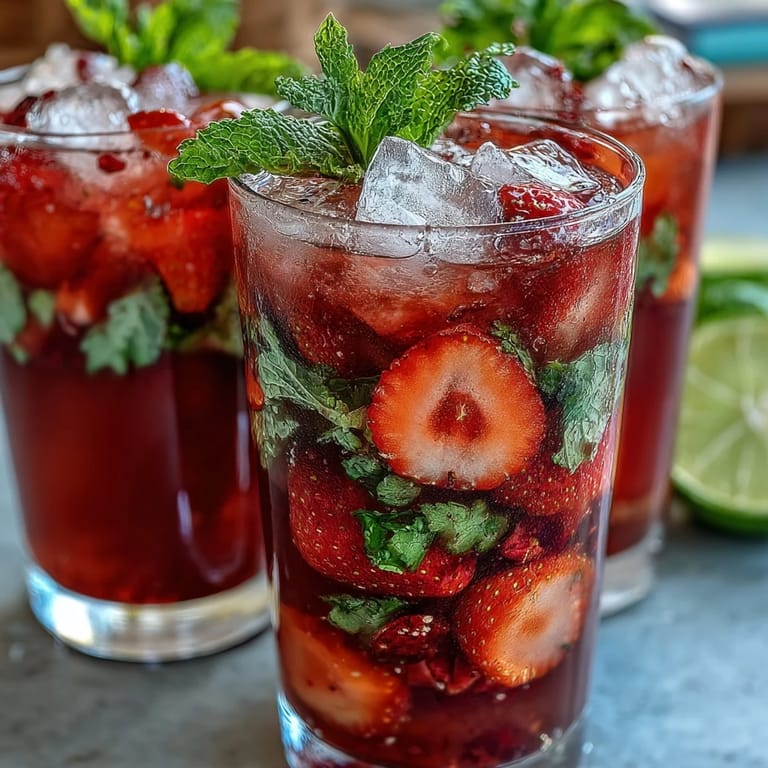
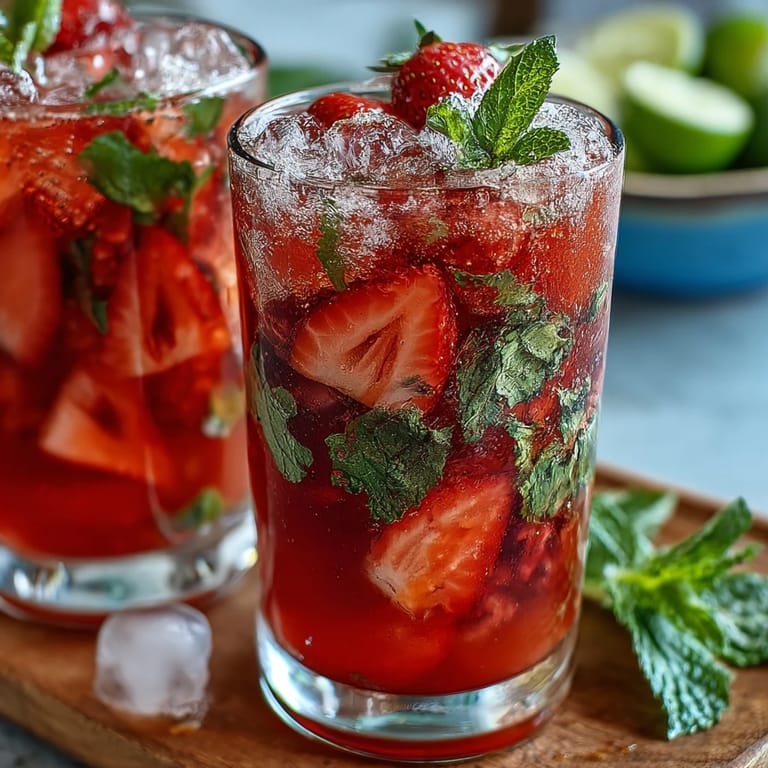
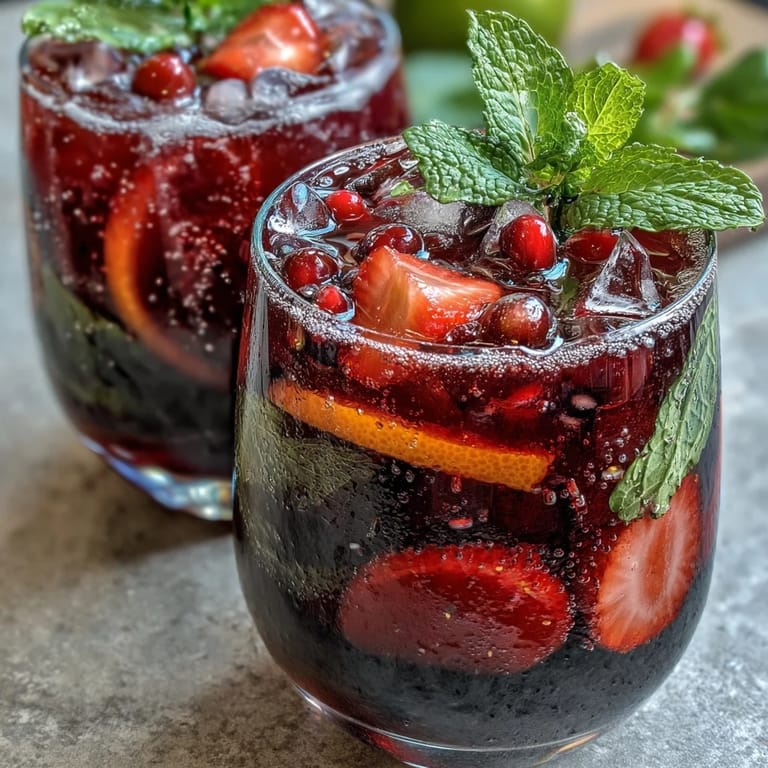
- Layer the orange, lemon, and lime slices in your pitcher along with the halved grapes and strawberry slices, making it almost pretty enough to photograph. Tuck the mint leaves between the fruit so they're visible when you pour.
- Pour and Merge:
- Add the white grape juice, fresh orange juice, and lemon juice in one flowing pour, then give everything a slow, gentle stir that respects the fruit without bruising it. This moment feels almost meditative if you let it.
- Taste and Adjust:
- Take a small sip and decide if you need those extra spoonfuls of agave or honey—this is your drink, so make it taste like your version of spring.
- Let It Rest (If You Can Wait):
- An hour in the refrigerator lets the flavors marry together into something more sophisticated than the sum of its parts, though drinking it immediately is never a crime.
- Finish Strong:
- Just before serving, pour in that cold sparkling water and add ice cubes generously so the drink stays chilled as people linger over conversation. Garnish each glass with a sprig of mint and a citrus wheel for that finishing touch that says you actually cared.
 Save to Pinterest
 There's something about watching someone take their first sip of something you made, then seeing their eyes light up with that surprised happiness—that moment reminded me why I love cooking for others, even when it's just a simple drink. This sangria became the bridge between strangers at garden parties, the excuse for lingering conversations under spring sunshine.
Flavor Variations Worth Exploring
I've learned through kitchen experiments that this recipe is genuinely flexible without losing its identity. Adding a cinnamon stick creates warm undertones that work beautifully in late spring when mornings are still cool, while basil leaves (instead of mint) shift the whole vibe toward something more savory and sophisticated. One time I swapped half the white grape juice for white cranberry juice and ended up with a pale pink drink that somehow felt even more special, though it did require an extra touch of sweetness to balance the tartness.
Timing and Temperature Secrets
The coldness of this drink is part of its charm, and I've learned that starting with chilled juice makes a difference you can actually taste. If you're making this more than an hour ahead, hold off on adding the sparkling water and fresh ice until the last possible moment, otherwise you're left with something that's gone flat and watery. The fruit itself keeps releasing juice slowly, so a pitcher that tastes perfect at the two-hour mark actually improves at the three-hour mark, which is why it works so well for afternoon gatherings.
Make It Your Own
This is where the real magic happens—once you understand the formula, you can build endless versions depending on what's in your kitchen and what the season is offering. Stone fruits like peaches work wonderfully in late spring, pineapple chunks add tropical brightness, and even thinly sliced fresh ginger creates an unexpected complexity. Just remember these final thoughts as you make it yours.
- Keep the juice-to-water ratio roughly the same, or you'll end up with something too diluted or too sweet.
- The sparkling water is added last and right before serving—this is non-negotiable if you want those lovely bubbles to survive until the last glass.
- Taste continuously as you build the drink because everyone's preference for sweetness differs, and you get to decide what springtime tastes like in your mouth.
 Save to Pinterest
 This sangria taught me that the most memorable drinks aren't the complicated ones—they're the ones that arrive at the right moment with the right people around a table. Make this for someone, and I promise it becomes theirs too.
Recipe Help Center
- → What citrus fruits are used in this sangria?
Orange, lemon, and lime slices provide a bright, tangy base for the drink.
- → Can the sweetener be omitted or substituted?
Yes, you can omit the sweetener or replace it with honey or agave syrup to taste.
- → What gives the drink its fizzy texture?
Sparkling water or club soda added just before serving creates a refreshing fizz.
- → Are there alternative fruits that can be used?
Strawberries can be swapped with peaches or pineapple for variation.
- → How long should the mixture be chilled?
Chilling for at least 1 hour allows flavors to meld, though it can be served immediately if desired.