 Save to Pinterest
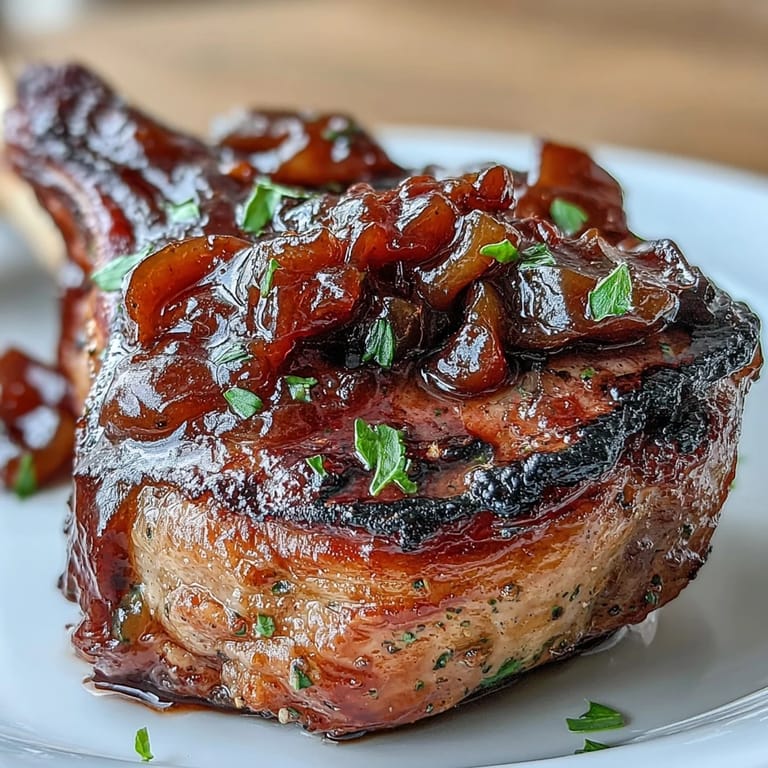
 There's something about the sizzle of lamb chops hitting a hot skillet that makes you feel like you're actually cooking something worth your time. I discovered this onion jam glaze one autumn evening when I had both lamb chops and a abundance of onions that needed using, and I decided to stop overthinking and just let them become something together. The sweet-tangy combination that emerged was so unexpectedly good that I've made it countless times since, each batch teaching me something new about timing and caramelization. It's the kind of dish that feels fancier than it actually is, which is perhaps my favorite type of cooking.
I made this for a dinner party where I was trying to impress someone's picky eater, and watching their face when they tasted it was absolutely worth the effort. The lamb chops disappeared faster than the roasted vegetables I'd also prepared, and suddenly I wasn't the nervous host anymore—I was the person who'd figured out something good.
Ingredients
- Lamb chops (8, about 1-inch thick, trimmed): Thickness matters here because it ensures the chops stay tender inside while the outside gets properly browned, and trimming removes that gristle that nobody enjoys.
- Olive oil (1 tablespoon): This is your searing medium, so don't skimp on something that actually tastes good.
- Kosher salt and freshly ground black pepper: These go on the chops before cooking, creating seasoning that actually penetrates rather than just sitting on top.
- Unsalted butter (2 tablespoons): Butter makes the onions taste exponentially better than oil alone, creating a deeper golden color and richer flavor.
- Large yellow onions (2, thinly sliced): Thin slicing means they caramelize evenly and become almost translucent when they're done, which is how you know they're perfect.
- Brown sugar (2 tablespoons): This accelerates the caramelization process and adds complexity that plain sugar doesn't quite achieve.
- Balsamic vinegar (1/4 cup): The acidity cuts through the sweetness and creates that glossy, jammy texture that makes this glaze actually stick to the chops.
- Dijon mustard (2 teaspoons): Mustard is a flavor amplifier here, adding tanginess and a subtle heat that balances the jam perfectly.
- Fresh thyme (1/2 teaspoon leaves, or 1/4 teaspoon dried): Thyme feels almost necessary with lamb, like it was always meant to be these two together.
Tired of Takeout? 🥡
Get 10 meals you can make faster than delivery arrives. Seriously.
One email. No spam. Unsubscribe anytime.
Instructions
- Dry your lamb chops thoroughly:
- Pat them down with paper towels like you mean it because moisture is the enemy of a good sear. This step takes thirty seconds and changes everything about how your chops will brown.
- Season generously and wait a moment:
- Sprinkle salt and pepper on both sides and let it sit for just a minute while your skillet heats up. This allows the seasoning to actually adhere rather than just rolling off.
- Get your oil smoking and sear without moving them:
- The skillet needs to be genuinely hot, and then you place the chops down and leave them alone for 2–3 minutes per side. Resist the urge to fidget with them; that's how you get a proper golden crust.
- Rest your chops while you make magic with onions:
- Tent them loosely with foil so they stay warm but not steamed, and this brief rest time actually matters for final tenderness.
- Reduce heat and add butter and onions to the same skillet:
- This is where you build flavor by using all those browned bits stuck to the pan. Cook for 10–12 minutes, stirring often, until the onions soften and start turning golden.
- Deepen the caramelization with brown sugar:
- Once the onions are soft, add the brown sugar and let it cook for another 2–3 minutes, stirring occasionally until everything looks deeply caramelized and almost jammy.
- Add your liquid components and herbs:
- Pour in the balsamic vinegar, add the mustard and thyme, then simmer for 2–3 minutes until the mixture thickens into an actual glaze. It should coat the back of a spoon.
- Return the lamb and finish:
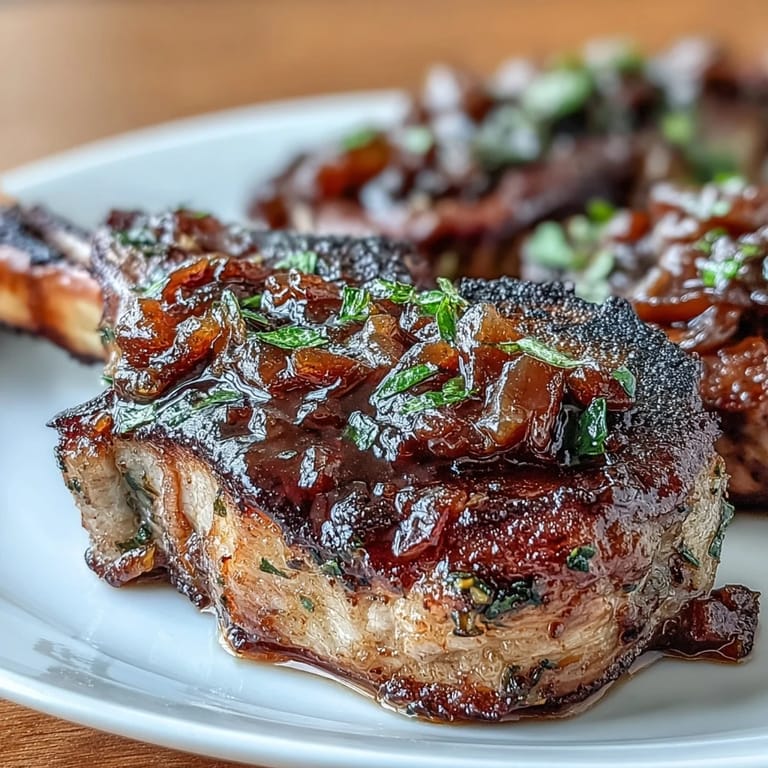
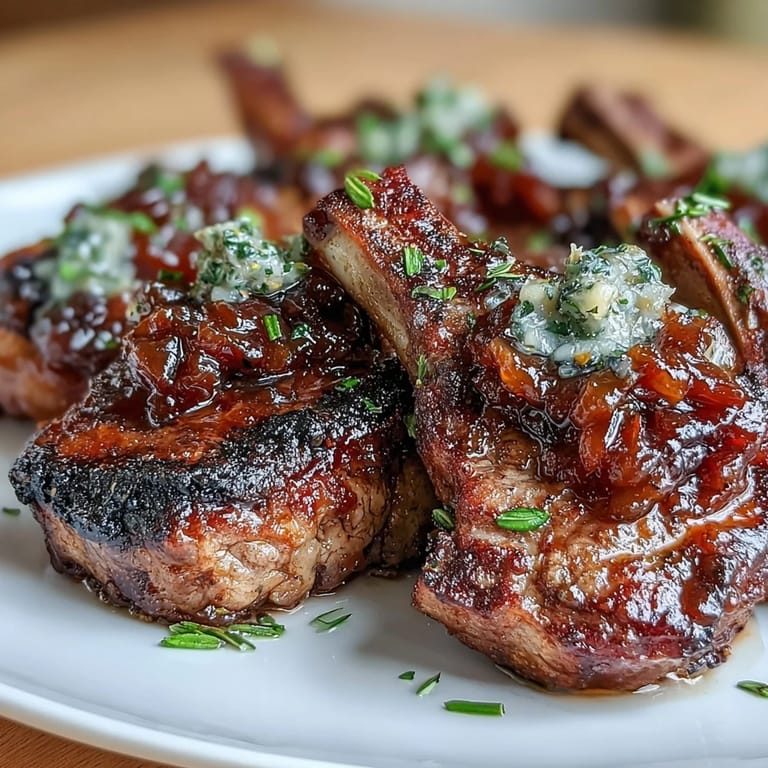
- Place the chops back in the skillet, spoon glaze over them, and cook for another 2–3 minutes, turning once, until they're heated through and coated in that glossy onion jam.
 Save to Pinterest
 There was this one dinner where everything aligned perfectly—the glaze was shiny, the chops were pink inside, and someone asked for the recipe while their mouth was still full. That's when I realized this dish had crossed over from just being something I made to being something people actually remembered.
Why Onion Jam Changes Everything
The magic of this glaze is that it's not trying to hide anything or add complexity where it shouldn't. Onions, when given time and heat and a little brown sugar, become something entirely different—sweet and tangy and deep all at once. They stop being just onions and become a proper jam, sticky and concentrated, which is exactly what lamb chops need as a counterpoint. It's a technique worth learning because once you understand how to caramelize onions properly, you realize you can use them on steaks, pork chops, burgers, or even just on good bread with cheese.
Timing and Temperature Matter More Than You'd Think
Lamb is forgiving when you treat it right, but it becomes regrettable when you overcook it. The 2–3 minute sear per side gives you a properly browned exterior while keeping the inside tender and pink, which is exactly where lamb chops should be. If your chops are thinner than an inch, reduce the searing time accordingly, and if they're thicker, you might need an extra minute. I learned this the hard way by serving gray, overcooked lamb once, which taught me that medium-high heat and a quick sear is always the answer with good quality chops.
What Goes Next to This on Your Plate
These chops are rich and they're meant to be, so you need something to balance them out. Mashed potatoes are the obvious choice because they're creamy and absorb all that extra glaze beautifully, but roasted vegetables work just as well if you want something lighter. Polenta creates this luxurious textural contrast, and honestly, even a simple green salad with a sharp vinaigrette would cut through the richness perfectly.
- Creamy starches like mashed potatoes or polenta catch all the glaze that runs off the chops, so don't skip this part.
- A crisp salad or roasted bitter greens add brightness and prevent the meal from feeling heavy.
- Crusty bread for soaking up any extra glaze left on the plate is absolutely the move.
 Save to Pinterest
 This is the kind of recipe that makes weeknight dinner feel intentional and special without requiring you to clear your entire evening. Once you've made it, you'll understand why it keeps finding its way back onto your table.
Recipe Help Center
- → How do you create the onion jam glaze?
Start by slowly caramelizing thinly sliced onions with butter and brown sugar until golden and soft. Then add balsamic vinegar, Dijon mustard, and thyme, simmering until thickened for a sweet and tangy glaze.
- → What is the best way to cook the lamb chops?
Season the lamb chops with salt and pepper, then sear in olive oil over medium-high heat for a few minutes on each side until browned but still juicy inside.
- → Can I prepare the onions in advance?
Yes, the onion jam can be made ahead and stored in the refrigerator. Reheat gently before glazing the lamb chops.
- → What sides complement these lamb chops?
Mashed potatoes, polenta, or roasted vegetables all pair well, balancing the rich and savory flavors.
- → Is there a way to add extra flavor to the lamb?
Marinating the lamb chops with olive oil, garlic, and rosemary for an hour before cooking adds depth to the taste.