 Save to Pinterest
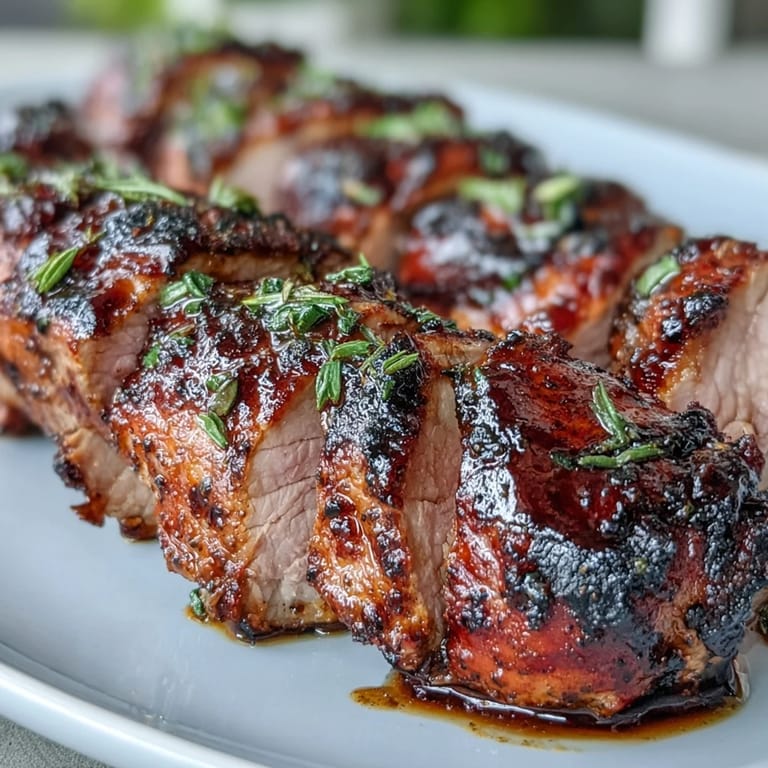
 I discovered jerk spiced pork tenderloin on a humid afternoon when my neighbor Marcus grilled something that made the entire block stop and sniff the air. He'd just returned from Jamaica and wanted to recreate those street vendor flavors in his backyard, so he handed me a plate still steaming with char and Caribbean spice. That first bite—the citrus cutting through warm allspice and a slow heat building across my tongue—changed how I thought about seasoning meat entirely.
I made this for my sister's dinner party when she was going through a phase of wanting everything gluten-free, and instead of feeling like I was cooking around a limitation, the jerk marinade felt genuinely celebratory. Watching everyone stop mid-conversation to ask what I'd done differently, then seeing them reach for seconds while debating whether the heat came from the cayenne or that fiery little Scotch bonnet—those moments reminded me why I love feeding people.
Ingredients
- Pork tenderloin (1 to 1.25 lbs): This cut is naturally lean and forgiving, cooking through quickly while staying moist inside, so you're not standing over it for hours.
- Olive oil: It carries all those spice flavors right into the meat and helps the exterior caramelize slightly in the oven's heat.
- Soy sauce: A tablespoon adds umami depth that makes the whole marinade taste rounder and less one-dimensional.
- Brown sugar: Just enough to balance the heat and help create a light crust as it roasts.
- Fresh lime juice: Never skip this—it's the brightness that keeps all those warm spices from feeling heavy.
- Ground allspice: The soul of any jerk seasoning, tasting like cloves and nutmeg had a baby, and it's absolutely non-negotiable.
- Ground cinnamon and smoked paprika: These add warmth and a whisper of smoke that hints at Caribbean grilling even though you're using your oven.
- Dried thyme: Caribbean cooking relies on thyme the way other cuisines use rosemary, and it brings an herbaceous note that grounds all the heat.
- Cayenne and Scotch bonnet pepper: The cayenne gives you manageable heat, but that fresh Scotch bonnet—wear gloves, seriously—delivers the authentic jerk punch with fruity undertones.
- Garlic and green onions: They round out the aromatics and add a freshness that keeps the dish from feeling too heavy.
Tired of Takeout? 🥡
Get 10 meals you can make faster than delivery arrives. Seriously.
One email. No spam. Unsubscribe anytime.
Instructions
- Heat your oven and prep your workspace:
- Get that oven to 425°F and line your baking sheet with foil or parchment so cleanup later feels less like a chore. You want everything ready because once you have that pork coated, you'll want to get it in the heat fairly quickly.
- Whisk the jerk marinade into one glorious bowl:
- Combine the olive oil, soy sauce, brown sugar, lime juice, all the spices (allspice, cinnamon, thyme, paprika, salt, black pepper, cayenne), minced garlic, that finely chopped Scotch bonnet, and sliced green onions. The paste should smell like a Caribbean vacation and make your eyes water slightly when you lean in close.
- Dry and place your pork:
- Pat the tenderloin completely dry with paper towels—moisture is the enemy of browning—then settle it on your prepared baking sheet. Drying it matters more than you'd think.
- Coat the pork generously and let it sit:
- Rub that jerk marinade all over the pork until every surface glistens and the spice mixture clings to it. Even 10 minutes at room temperature helps, but if you have the foresight, a few hours in the fridge lets the flavors creep deeper into the meat.
- Roast until the thermometer tells the truth:
- Slide it into that hot oven and set a timer for 20 to 25 minutes. At 145°F in the thickest part, your pork is cooked through but still blushing pink inside, still juicy and forgiving. Use a thermometer—it's the only way to stop second-guessing yourself.
- Rest the meat before slicing:
- Tent it loosely with foil and give it 5 to 10 minutes of quiet time. This lets the juices redistribute so when you slice, everything stays moist instead of weeping onto the plate.
- Slice, serve, and let people taste the Caribbean:
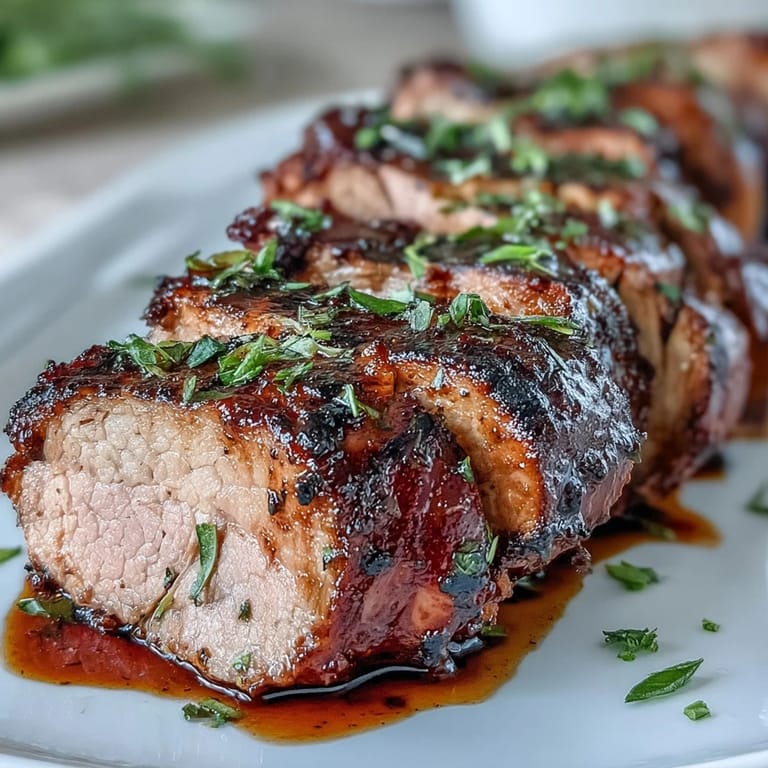
- Slice the tenderloin crosswise and serve it with fresh lime wedges and cilantro if you want to be fancy about it. That lime squeeze at the end brings everything into sharp focus.
 Save to Pinterest
 There's something about jerk-spiced meat that brings people together in a way other dishes don't. Maybe it's the aroma that fills the house, or maybe it's that the flavors are bold enough to make everyone stop and pay attention. Either way, this pork has earned its place at my table for celebrations and ordinary Tuesdays alike.
Timing and Temperature Matter More Than You Think
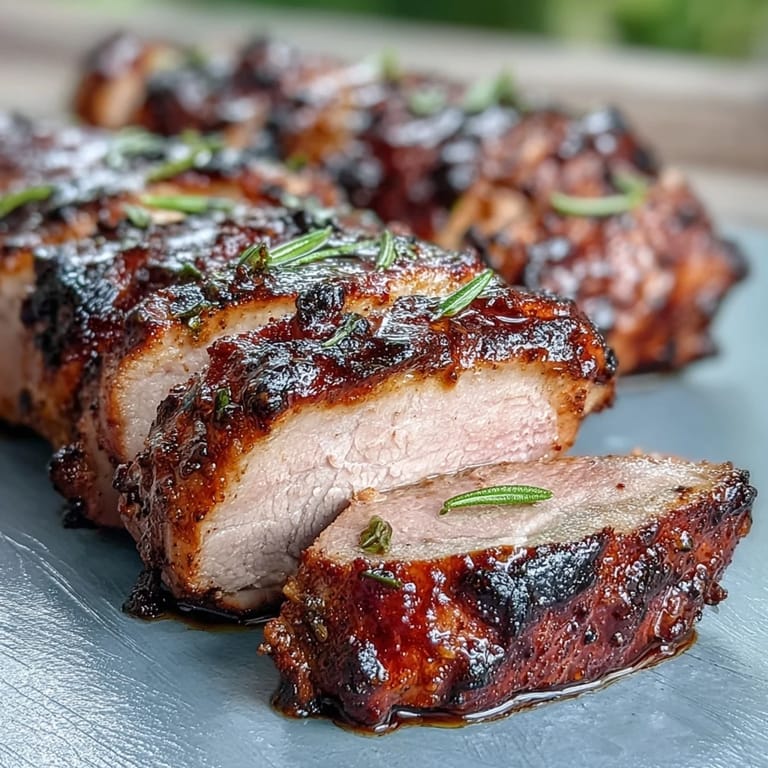
The first time I cooked this, I was impatient and pulled it out at 140°F, thinking it would continue cooking while resting. It was still slightly undercooked in the center, and I spent the next 10 minutes explaining myself when I really should have just trusted the process. Now I stick to 145°F exactly, and it comes out perfect every single time—barely pink at the center, still impossibly moist, with that slight char from the spices caramelizing on the exterior.
The Marinade Does Heavy Lifting
This recipe works because you're not relying on long marinating times or complicated techniques. The Scotch bonnet and all those warm spices are built to penetrate quickly, so even that quick 10-minute room temperature sit gives you tremendous flavor. If you do marinate longer in the fridge, the flavors deepen and the heat becomes more integrated, but you don't need hours and hours for this to taste authentic and stunning.
What to Serve Alongside and How to Use Leftovers
I've learned that this pork loves grilled pineapple more than any side dish I've ever served—the sweetness and acidity complement the heat in a way that feels almost designed. Rice and peas is the traditional move, and a simple green salad with a lime vinaigrette works beautifully if you want something lighter. The real magic happens the next day though, when you slice those leftovers cold and pile them into a wrap with avocado and fresh cilantro—suddenly you have lunch that tastes like a vacation.
- Make extra if you have the chance; cold jerk pork transforms into something entirely different and equally delicious in sandwiches.
- The marinade spices won't fade even after a day in the fridge, so don't hesitate to make this ahead for entertaining.
- If you want to dial down the heat for sensitive palates, reduce the Scotch bonnet by half and skip the cayenne altogether.
 Save to Pinterest
 This recipe has become my go-to when I want to cook something that feels special without spending all day in the kitchen. It's the kind of dish that makes people think you've been planning and prepping for hours, when really you've just treated good ingredients and bold flavors with the respect they deserve.
Recipe Help Center
- → What is the best way to marinate the pork tenderloin?
Whisk together the olive oil, soy sauce, brown sugar, lime juice, and spices to create the jerk marinade, then coat the pork evenly. Marinate at room temperature for 10–15 minutes or refrigerate up to 4 hours for deeper flavor absorption.
- → Can I adjust the heat level in this dish?
Absolutely. The heat mainly comes from the Scotch bonnet pepper and cayenne. Removing seeds reduces heat, while leaving them in or adding more cayenne increases the spiciness to your preference.
- → How do I know when the pork is fully cooked?
Roast until the internal temperature reaches 145°F (63°C). Using an instant-read thermometer ensures the pork is juicy and safely cooked.
- → What sides complement the spiced pork tenderloin?
Traditional accompaniments include rice and peas, grilled pineapple, or a simple green salad to balance the bold flavors.
- → Are there alternatives to pork for this marinade?
Yes, chicken breast can be used as a lighter option, offering a similar flavor profile when marinated and cooked similarly.