 Save to Pinterest
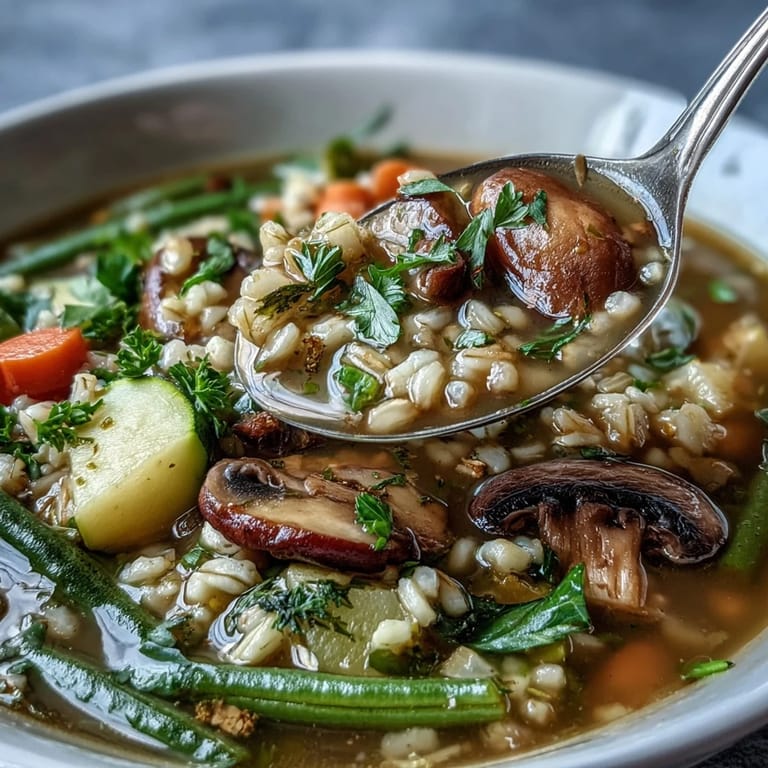
 There's something about the smell of mushrooms hitting hot oil that stops me mid-afternoon. I was planning something quick that day, but once those cremini slices started releasing their earthy steam, I knew I was building something meant to simmer. That's when barley soup found me—not the other way around. The kind of dish that turns a random Tuesday into something worth remembering, where the kitchen fills with warmth and the whole house smells like you've been cooking all day.
My neighbor came over on a drizzly October afternoon, and I had this simmering when she knocked on the door. She stayed longer than planned, just drawn to the pot, asking what was in it between sips. By the end of the bowl, she was asking for the recipe, and I realized that's exactly what good soup does—it creates an excuse to slow down together.
Ingredients
- Pearl barley (3/4 cup, rinsed): This grain is the backbone of the soup, staying tender without turning mushy if you don't overcook it—rinsing it first helps remove any excess starch.
- Olive oil (2 tablespoons): The fat that coaxes flavor out of every vegetable you're about to sauté, so don't skimp here.
- Yellow onion (1 large, diced): The foundation of nearly every good soup, it sweetens as it cooks and creates that savory depth you taste at the end.
- Carrots (2 medium, sliced): They bring natural sweetness and hold their shape through the entire cooking time without dissolving.
- Celery (2 stalks, sliced): This is the quiet hero that adds subtle herbal notes nobody consciously notices but everybody loves.
- Garlic (3 cloves, minced): Added after the softer vegetables so it doesn't burn, it gives the whole pot an aromatic boost in the final minutes.
- Cremini or white mushrooms (8 oz, sliced): Cremini mushrooms have more umami than white buttons, but either works—they release moisture and concentrate their earthiness as they cook.
- Potato (1 large, diced): This thickens the broth naturally and adds comfort, becoming creamy as it breaks down slightly.
- Zucchini (1 medium, diced): It softens quickly and absorbs the broth's flavors without overwhelming the other vegetables.
- Diced tomatoes (1 can with juice, 14 oz): The acidity brightens everything, and the juice becomes part of your broth base.
- Green beans (1 cup, cut into 1-inch pieces): They add a slight freshness and color that makes the soup feel alive rather than heavy.
- Vegetable broth (6 cups): Use good broth if you can—it's one of the few ingredients where quality actually matters since it's your base.
- Dried thyme (1 teaspoon): Earthy and subtle, it ties mushrooms and barley together without announcing itself.
- Dried oregano (1 teaspoon): This brings a Mediterranean warmth that balances the earthiness of everything else.
- Bay leaf (1): Remove this before serving, but it seasons the entire pot as it simmers.
- Black pepper (1/2 teaspoon) and salt (3/4 teaspoon): Season as you go rather than all at once at the end—it tastes better this way.
- Fresh parsley (2 tablespoons, chopped): This is your last-minute freshness, stirred in at the bowl, not during cooking.
Tired of Takeout? 🥡
Get 10 meals you can make faster than delivery arrives. Seriously.
One email. No spam. Unsubscribe anytime.
Instructions
- Get everything ready:
- Rinse your barley, chop all your vegetables into similar-sized pieces so they cook evenly, and have your broth within arm's reach. This takes about 15 minutes and makes the actual cooking feel effortless.
- Start with the holy trinity:
- Heat oil in a large pot over medium heat until it shimmers slightly, then add onion, carrots, and celery. Stir occasionally for about 5 minutes—you want them softened but not colored, releasing their sweetness into the oil.
- Build the umami layer:
- Stir in the garlic and sliced mushrooms, cooking for another 5 minutes while the mushrooms release their moisture and the kitchen fills with that deep, savory aroma. You'll notice them shrinking as their water cooks off.
- Add the supporting players:
- Throw in the potato, zucchini, green beans, and canned tomatoes with their juice, stirring everything together so the flavors start to mingle. This is where the soup starts looking like soup instead of chopped vegetables.
- Build the broth and balance:
- Pour in your vegetable broth, add the rinsed barley, and sprinkle in thyme, oregano, bay leaf, salt, and pepper. Stir thoroughly so the seasonings dissolve and distribute evenly throughout the liquid.
- The long, slow simmer:
- Bring everything to a boil—you'll see it go from still to suddenly alive—then lower the heat to a gentle simmer. Cover the pot and let it bubble quietly for 40 to 45 minutes, stirring now and then, until the barley is tender and the vegetables have softened into the broth.
- Final touches and tasting:
- Fish out the bay leaf with a spoon, then taste the soup carefully. Adjust salt and pepper to your preference—it should taste savory and balanced, not bland or oversalted.
- Serve with intention:
- Ladle the soup into bowls and finish each one with a pinch of fresh parsley stirred on top, which adds a last-minute brightness that makes the whole dish feel fresher.
 Save to Pinterest
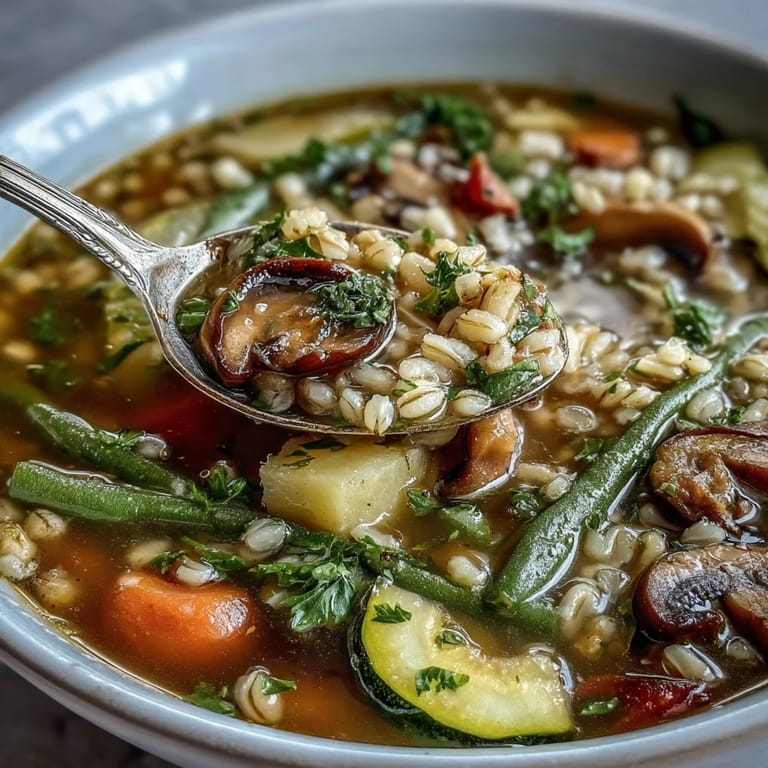
 This soup has a way of showing up on nights when you need something grounding. It's not fancy or Instagram-worthy, just honest—the kind of meal that wraps around you while you eat it, and that matters more than any presentation ever could.
Variations Worth Trying
I've made this soup a dozen different ways depending on what's in my crisper drawer or what season it is. The barley stays, but everything else is flexible enough to adapt to your mood or what you have on hand. Some of my best versions came from accidents or substitutions that turned out to be improvements.
- Swap the potato for sweet potato or parsnips if you want something slightly sweeter and more autumn-leaning.
- Add a drained can of white beans in step 4 for protein and heartiness that makes it feel more like a main course.
- Throw in a handful of kale or spinach in the last 5 minutes if you want more green and more nutrition without changing the character of the soup.
Serving Suggestions and Pairings
This soup gets better when it has company. The best meals aren't just about what's in the bowl—they're about what surrounds the eating. Crusty bread is obvious and essential, but there's more you can do to make this feel complete. A simple grilled cheese on the side turns a bowl into a memory, and a sharp cheese like aged cheddar adds contrast without heaviness.
Storage and Making Ahead
This is the kind of recipe that gets better as it sits in your fridge, the flavors settling and deepening overnight. The barley absorbs more broth and becomes creamier, so you might need to add water when you reheat it the next day. It keeps easily for four days covered in the refrigerator, and it also freezes well—just thaw it slowly on the stovetop rather than rushing it in the microwave.
- Make a double batch on Sunday and portion it into containers for the week ahead.
- Add the fresh parsley only after reheating, not before storing, so it stays bright and doesn't turn dark.
- If you freeze it, leave a little space at the top of the container because the soup expands slightly as it freezes.
 Save to Pinterest
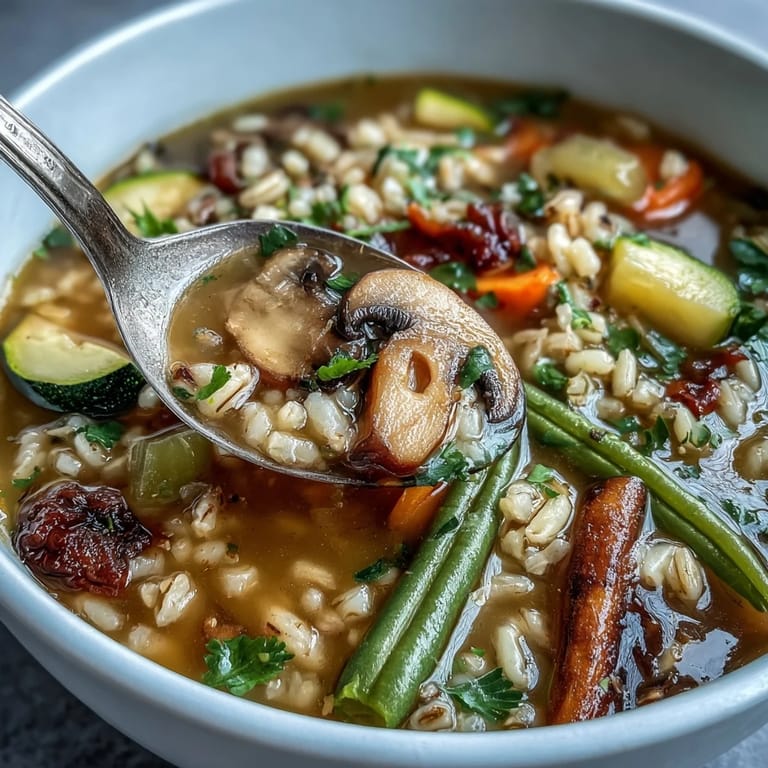
 Every time I make this soup, I'm reminded that the best recipes aren't the most complicated ones—they're the ones that make you want to pull up a chair and stay awhile. This soup does exactly that.
Recipe Help Center
- → Can I make this soup gluten-free?
Yes, substitute pearl barley with brown rice or quinoa for a gluten-free version, adjusting cooking time accordingly.
- → What can I use to boost protein content?
Add a drained can of white beans during cooking to increase protein while keeping flavors balanced.
- → How should I store leftovers?
Store leftovers in an airtight container in the refrigerator for up to 4 days. Reheat gently on the stove.
- → Can I use different vegetables in this soup?
Yes, feel free to swap potatoes for sweet potatoes or parsnips, and use seasonal vegetables for variety.
- → What is the best way to garnish this soup?
Chopped fresh parsley adds a bright, fresh flavor and an appealing finish when sprinkled on top before serving.
- → Is this soup suitable for a dairy-free diet?
Absolutely, the soup is naturally dairy-free and uses olive oil and vegetable broth for flavor.