 Save to Pinterest
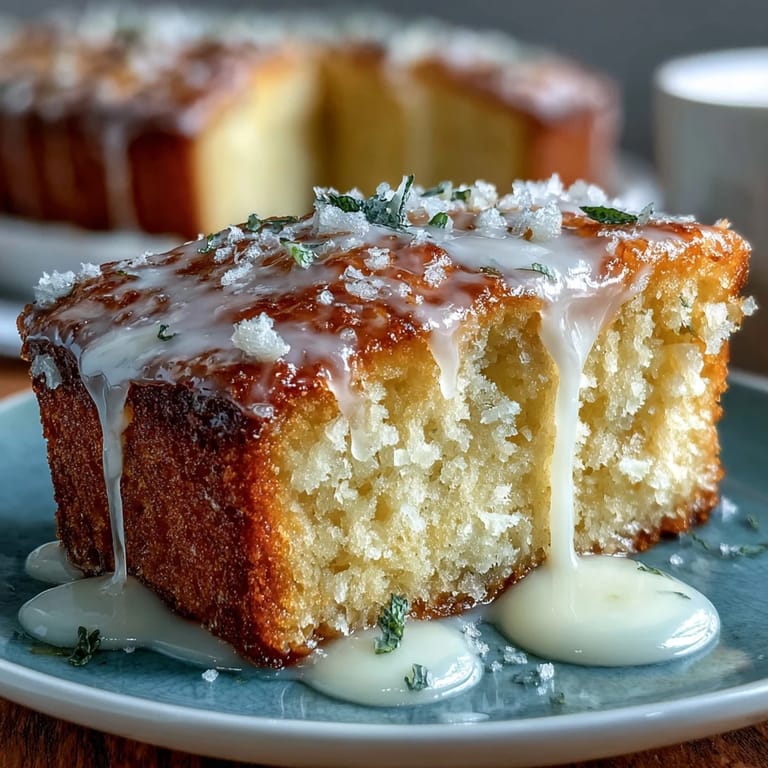
 My neighbor showed up one afternoon with a bottle of Limoncello she'd brought back from Sicily, and honestly, I wasn't sure what to do with it at first. She suggested baking with it, which felt like a wildly elegant idea compared to my usual dessert repertoire. I spent that evening experimenting, and this pound cake emerged from the kitchen smelling so bright and inviting that my whole family gathered before I'd even finished frosting it. There's something about citrus and butter together that just makes people stop what they're doing and pay attention.
I made this for my mom's book club last spring, and the whole room went quiet after the first bite in a way that felt genuinely earned. Someone asked if it was from a bakery, which might be the highest compliment a home baker can receive. She kept the leftover slice in her fridge for three days and ate it with her coffee every morning, which tells you everything about how this cake behaves over time.
Ingredients
- Unsalted butter, softened (1 cup): Room temperature is non-negotiable here because cold butter won't cream properly, and creaming is where all the air gets trapped to make this cake tender.
- Granulated sugar (2 cups): The sugar crystals physically create tiny air pockets as you beat them into the butter, so don't rush this step even though your arm gets tired.
- Large eggs, room temperature (4): Cold eggs from the fridge will break your emulsion and make the batter look curdled, which honestly looks worse than it tastes but still feels like failure.
- Limoncello liqueur (1/4 cup): This is the secret weapon that makes people ask what you did differently, and the alcohol content burns off during baking while the flavor lingers.
- Whole milk, room temperature (1/4 cup): The moisture keeps this pound cake from becoming dense, and room temperature means it won't shock the batter.
- Freshly grated lemon zest (2 tbsp): Those tiny bright flecks aren't just for looks, they're where the most vibrant lemon flavor lives, so a microplane grater beats a box grater every single time.
- Fresh lemon juice (1/4 cup): The acid cuts through richness and adds tartness that powder sugar alone can never achieve, so squeeze your own if you can.
- All-purpose flour (2 1/2 cups): Sift it before measuring if your flour has settled in the bag, because packed flour will make the cake heavy and tight.
- Baking powder (1 1/2 tsp): This gives the cake its rise, so make sure yours isn't ancient by checking the date on the can.
- Salt (1/2 tsp): Don't skip this because salt amplifies sweetness and makes the lemon flavor pop without tasting salty itself.
- Powdered sugar for glaze (1 cup): Sift this before whisking with the liquid because lumps will make your glaze look unfinished.
Tired of Takeout? 🥡
Get 10 meals you can make faster than delivery arrives. Seriously.
One email. No spam. Unsubscribe anytime.
Instructions
- Get your oven and pan ready:
- Turn the oven to 350°F and let it warm while you prep, then grease your pan with butter and dust it with flour so the cake slides out cleanly. This step takes two minutes but prevents the disaster of a cake that sticks.
- Cream the butter and sugar:
- Beat them together for a full 3 to 4 minutes until the mixture turns pale and fluffy like clouds, which means you've successfully trapped thousands of tiny air bubbles that will make the cake rise. You'll know it's ready when it looks almost mousse-like and lighter in color than when you started.
- Add the eggs one at a time:
- Beat each egg in completely before adding the next one, which takes patience but ensures they emulsify evenly into the butter mixture. If the batter looks slightly curdled after you add an egg, keep mixing because it will come back together once the next ingredient goes in.
- Mix in the zest, liqueur, juice, and milk:
- Stir until everything is combined and you can smell all that brightness coming alive in the bowl. The batter will look a little looser now, which is exactly what you want.
- Combine the dry ingredients separately:
- Whisk the flour, baking powder, and salt together in another bowl so the leavening distributes evenly throughout. This prevents dense pockets and bitter spots from concentrated baking powder.
- Fold the dry into the wet gently:
- Add the flour mixture gradually and stir just until you don't see dry streaks anymore, then stop because overmixing develops gluten and makes the crumb tough. The batter should look smooth but not worked to death.
- Bake until a toothpick tells you it's done:
- Pour the batter into your prepared pan and smooth the top with a spatula, then bake for 50 to 55 minutes until a toothpick inserted in the center comes out clean or with just a few crumbs clinging to it. If it comes out wet with batter, give it another 5 minutes and check again.
- Cool with intention:
- Let the cake sit in the pan for 15 minutes so the structure sets before you flip it out onto a wire rack. Cooling it completely before glazing prevents the glaze from melting into puddles.
- Make the glaze while you wait:
- Whisk together the powdered sugar, lemon juice, and Limoncello until it's smooth and drizzles off a spoon without being watery. If it's too thick, add more lemon juice a teaspoon at a time.
- Glaze and garnish:
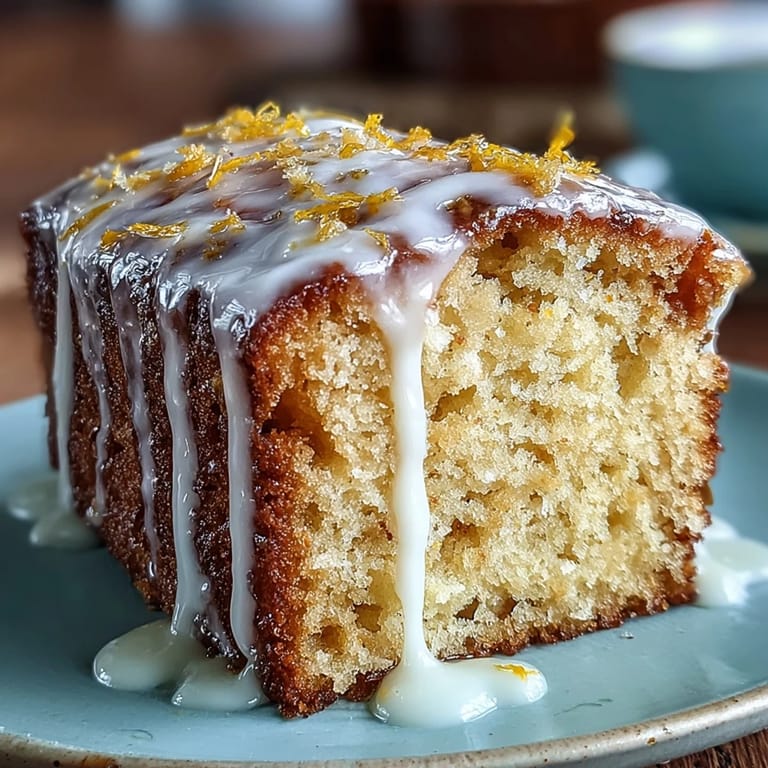
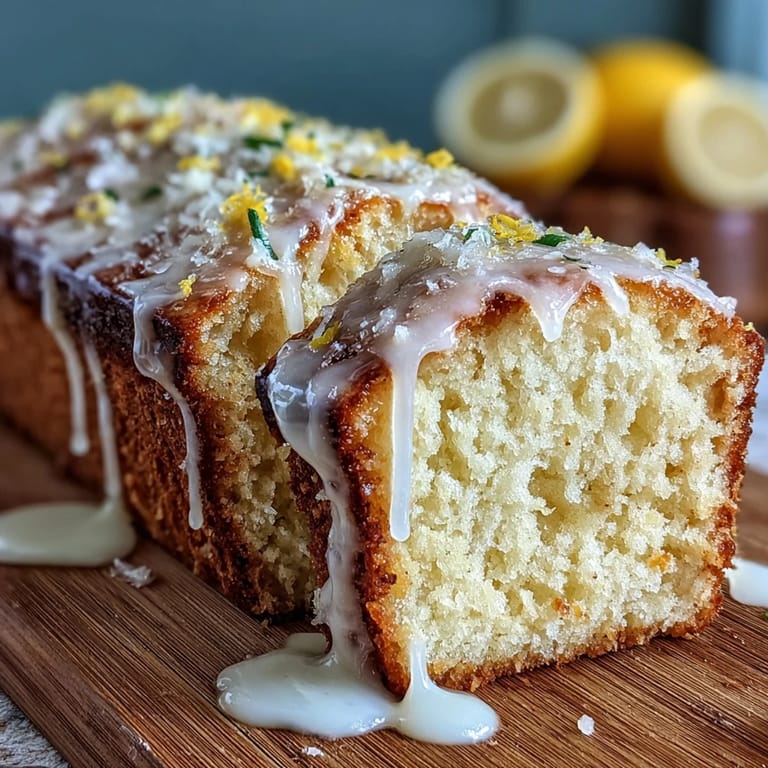
- Pour or drizzle the glaze over the completely cooled cake and let it set for at least 30 minutes before slicing. Top with extra lemon zest if you want to be fancy, which you should.
 Save to Pinterest
 The moment I realized this cake had become something special was when my teenage daughter asked to bring it to her school potluck, which never happens because she usually acts like my food is deeply embarrassing. Watching her friends demolish it and ask for the recipe felt like winning an invisible parenting award.
Why Limoncello Makes All the Difference
Regular lemon juice is tart and bright, but Limoncello carries this sophisticated, almost floral quality that makes people lean in for another bite without being able to pinpoint exactly why they're so drawn to it. I learned this the hard way by making a version with just extra lemon juice, and while it was fine, it lacked that mysterious elegance that makes people ask what you did. The alcohol burns off completely during baking, leaving behind only the complex flavor profile that liqueur develops when lemon peel steeps in spirits.
The Science Behind a Perfect Pound Cake
Pound cakes are all about structure and moisture, which is why the ratio of fat to flour matters so much and why you can't just improvise on a whim. The butter creates a tender crumb through proper creaming, the eggs bind everything together and add richness, and the milk keeps things moist without making it wet. I made the mistake once of adding too much lemon juice thinking more flavor was always better, and the cake came out slightly dense because the extra liquid threw off the chemistry. Now I understand that balance in baking isn't just nice, it's absolutely fundamental to whether your cake tastes heavenly or mediocre.
Serving Suggestions and Storage Secrets
This cake is stunning on its own, but it becomes genuinely transcendent when you serve it alongside something cold like whipped cream or a small scoop of vanilla ice cream that melts into the warm, tender crumb. Fresh berries on the side add color and a little tartness that plays beautifully against the sweet glaze. The cake stays fresh for three days wrapped in plastic wrap at room temperature, and it actually deepens in flavor as it sits, which means you might want to make it a day ahead for important occasions.
- Pair it with fresh raspberries or strawberries for brightness that cuts through the richness.
- A simple cup of tea or espresso is honestly all you need alongside a slice, letting the cake speak for itself.
- Store leftovers wrapped tightly in plastic wrap to keep them moist and to prevent your kitchen from smelling like a Limoncello distillery for a week.
 Save to Pinterest
 This pound cake has become my go-to when I need something beautiful that doesn't demand constant attention in the kitchen. Make it once and you'll understand why one small bottle of Limoncello from a neighbor turned into something you'll bake again and again.
Recipe Help Center
- → What makes the cake moist and flavorful?
The combination of softened butter, fresh lemon juice, zest, and Limoncello liqueur adds moisture and bright citrus flavor, resulting in a tender, flavorful crumb.
- → Can I replace Limoncello in the batter or glaze?
Yes, replaced with additional lemon juice for a non-alcoholic version, though the flavor will be less complex and slightly less aromatic.
- → What baking pan should I use for this cake?
A 9x5-inch loaf pan or bundt pan works best to ensure even baking and proper shape.
- → How can I achieve a lighter cake texture?
Substituting half of the all-purpose flour with cake flour will create a lighter and more tender texture.
- → How do I know when the cake is fully baked?
Insert a toothpick into the center; it should come out clean or with a few moist crumbs when the cake is done.
- → Can I add extra lemon zest as a topping?
Yes, sprinkling extra fresh lemon zest on the glaze enhances aroma and adds a vibrant finishing touch.