 Save to Pinterest
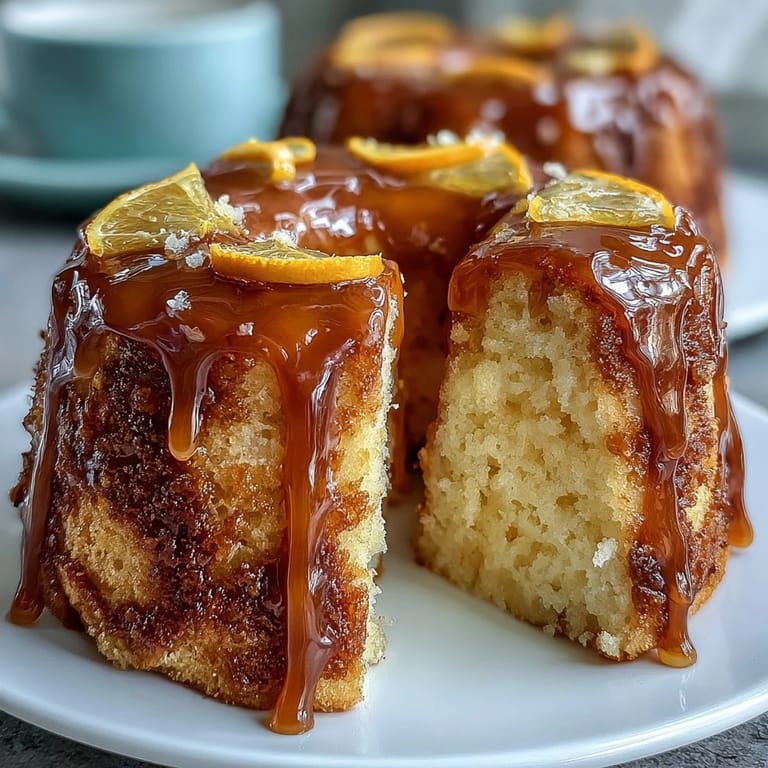
 My neighbor knocked on the door one March afternoon with a lemon drizzle loaf still warm from her oven, and I immediately understood why this British classic has endured for generations. The way that tangy glaze soaked into the cake while it was still hot, creating pockets of concentrated lemon flavor, felt like a small act of kitchen magic. I've since made it dozens of times—sometimes when spring finally arrives and I need something bright, other times when friends mention they're craving something not too heavy but deeply satisfying. What strikes me most is how forgiving it is; even when I've been careless with measurements, the cake somehow tastes exactly as it should.
I brought this cake to a village bake sale last summer, nervous it would get lost among the more elaborate showstoppers, but it sold out first. A woman came back to ask for the recipe, and as I scribbled it down on the back of a receipt, she mentioned her daughter had asked her to make it every Easter morning before they opened presents. That's when I realized this isn't just a cake—it's the kind of thing people remember and want to recreate for the people they love.
Ingredients
- Unsalted butter, softened (200 g): Start with it at room temperature so it creams properly with the sugar; cold butter won't incorporate air and your cake will be dense instead of tender.
- Caster sugar (200 g): The fine granules dissolve faster than regular sugar, giving you that pale, fluffy mixture that's the foundation of everything good here.
- Large eggs, room temperature (3): Cold eggs won't blend smoothly into the butter and sugar, so leave them on the counter for 30 minutes before you start.
- Lemon zest, finely grated (1 tbsp from 2 lemons): Grate it just before using so the oils are still volatile and alive; zest that's been sitting around tastes dusty and flat.
- Self-raising flour (200 g): This already has baking powder mixed in, which is why the cake rises so predictably, but measure it properly or you'll end up with something dense.
- Baking powder (1/2 tsp): The extra boost ensures the cake has that light crumb structure even if your self-raising flour is getting old.
- Salt (1/4 tsp): It sounds like a whisper of an amount, but it sharpens the lemon flavor and balances the sweetness in a way that makes people ask for more.
- Whole milk (3 tbsp): This keeps the batter from being too thick; if you forget it, the cake bakes up tough and crumbly.
- Freshly squeezed lemon juice (2 tbsp): Bottled juice tastes bitter and metallic by comparison, so take the minute to squeeze fresh lemons.
- Icing sugar for the glaze (80 g): Sift it first to remove lumps, or you'll have gritty patches in your glaze instead of a smooth, glossy finish.
- Freshly squeezed lemon juice for the glaze (3 tbsp): Again, fresh is non-negotiable here because the glaze is so simple that every ingredient shows its true character.
Tired of Takeout? 🥡
Get 10 meals you can make faster than delivery arrives. Seriously.
One email. No spam. Unsubscribe anytime.
Instructions
- Prepare your tin and oven:
- Preheat the oven to 180°C (350°F) while you grease a 900g loaf tin and line it with baking parchment—this ensures even browning and keeps the sides from sticking. Have all your ingredients measured and ready because this cake moves quickly once you start mixing.
- Cream the butter and sugar:
- Beat the softened butter and caster sugar together in a large bowl for about 2 minutes until it looks pale and fluffy, almost like clouds. You'll know it's ready when you lift the beaters and the mixture holds soft peaks.
- Add the eggs gradually:
- Crack in one egg at a time, beating well after each addition so it's fully incorporated before the next one goes in. If the mixture looks grainy or curdled, don't panic—add a spoonful of flour and keep beating.
- Fold in the dry ingredients:
- Sift the flour, baking powder, and salt directly over the bowl, then fold it in gently with a spatula using a few quick, decisive strokes. The second you don't see streaks of flour, stop—overmixing develops gluten and makes the cake tough.
- Mix in the wet ingredients and lemon zest:
- Stir in the lemon zest, milk, and lemon juice until the batter is smooth and falls from the spoon in ribbons. The milk loosens everything up and the lemon juice adds a subtle tang that brightens the crumb.
- Bake until golden:
- Pour the batter into the prepared tin and smooth the top with a spatula, then bake for 45 to 50 minutes until a skewer inserted in the center comes out clean. The top will be golden brown and the kitchen will smell like heaven.
- Prepare the glaze while baking:
- Mix the icing sugar and fresh lemon juice in a small bowl, stirring until you have a pourable consistency—not too thick or it won't soak in, not too thin or it'll drip off. If it's lumpy, press it through a sieve.
- Pierce and glaze while warm:
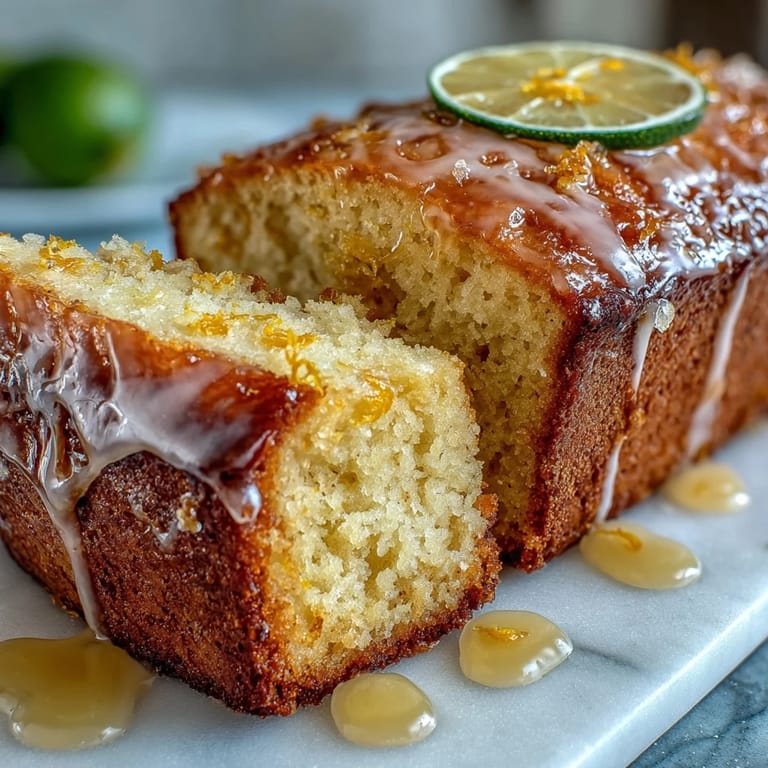
- Remove the cake from the oven and let it cool in the tin for 10 minutes, then use a skewer to poke holes all over the top. Slowly pour the lemon glaze over the warm cake so it soaks into the holes and creates little pockets of intense flavor.
- Cool completely before serving:
- Leave the cake in the tin until it's completely cool—this usually takes about an hour—then turn it out onto a wire rack. This patience ensures the cake is set enough to slice cleanly without falling apart.
 Save to Pinterest
 My sister once made this cake the night before a picnic and wrapped it carefully, certain the journey would damage it. When we unpacked it, everyone noticed immediately how moist and intact it was—the glaze had settled in and the cake had become even more tender overnight. It was the star of the picnic, and I think that's when I truly appreciated that good baking isn't about complexity or showiness, but about understanding how simple things work together.
Why Fresh Lemon Matters More Than You'd Think
The first time I made this cake with bottled lemon juice because fresh lemons weren't in stock, the result was completely flat—not bad, exactly, but it tasted vaguely chemical and the brightness I'd come to expect was missing. Now I always keep at least two lemons in my fruit bowl, and I've noticed the difference is immediately obvious to anyone who's tasted the real version. Fresh citrus oil is volatile and aromatic; bottled juice loses that complexity during processing and storage, leaving behind mostly acid without the fragrant top notes.
Texture and Temperature Secrets
The moist crumb everyone loves comes partly from the milk and partly from the glaze soaking in while the cake is warm—if you wait until it's completely cool to add the glaze, you'll end up with a cake that's dry in the middle and shiny on top instead of evenly saturated. I also learned that letting eggs come to room temperature actually makes a measurable difference in how the batter emulsifies and how light the finished cake becomes. It's the kind of detail that seems fussy until you taste the difference.
Ways to Make It Your Own
This cake is so versatile that it invites little experiments—some bakers add poppy seeds for texture, others swap the milk for buttermilk for a richer crumb, and I once tried adding a spoonful of elderflower cordial to the glaze with beautiful results. The base recipe is solid enough that you can play around without breaking it, which is partly why it's become such a beloved classic. The only rule is to respect the balance between lemon and sweetness, because that's what makes this cake sing.
- Poppy seeds (a small handful) add a pleasant nutty texture and visual interest without changing the flavor significantly.
- A splash of limoncello in the glaze turns this into an elegant after-dinner cake for grown-ups.
- Serve it with fresh berries and whipped cream for a dessert that feels both simple and special.
 Save to Pinterest
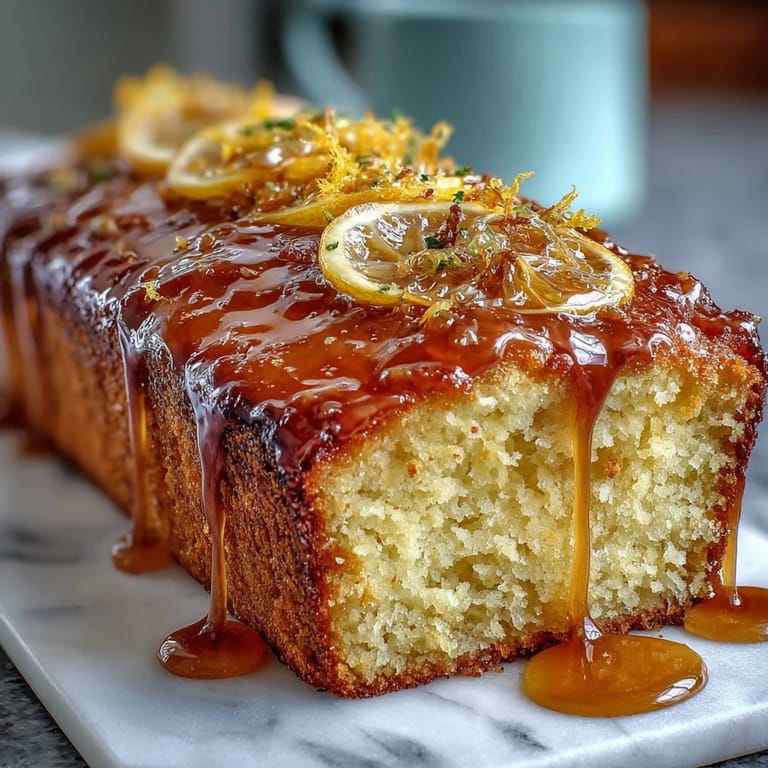
 This cake has become my go-to when I need something simple but impressive, the kind of thing that makes people feel cared for without requiring hours of fusswork. There's real joy in that simplicity, and in sharing something that tastes like spring tastes.
Recipe Help Center
- → How can I ensure the loaf stays moist?
Use softened butter and avoid overmixing the batter. Adding milk and lemon juice helps maintain moisture during baking.
- → What is the purpose of poking holes before adding the lemon glaze?
Poking holes allows the lemon glaze to seep into the loaf, enhancing flavor and adding moistness inside.
- → Can I add any additional ingredients for texture?
Adding poppy seeds to the batter introduces a pleasant crunch and nutty flavor without overpowering the lemon essence.
- → How long should I bake the lemon loaf?
Bake for 45 to 50 minutes at 180°C (350°F) until a skewer comes out clean from the center.
- → What is a good serving suggestion for this loaf?
Serve slices with fresh berries and a dollop of whipped cream to complement the citrus notes.