 Save to Pinterest
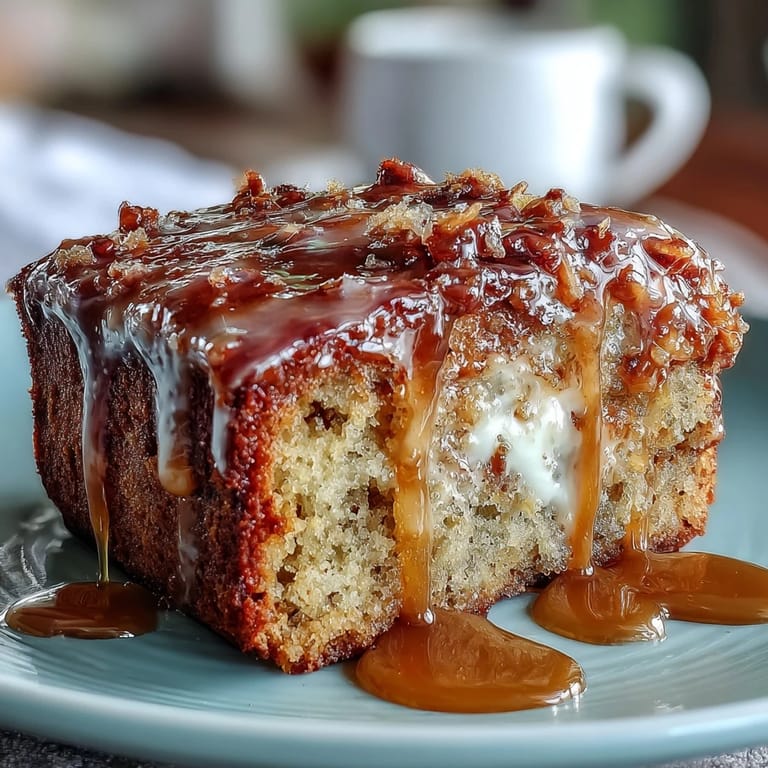
 Last spring, my neighbor arrived at the door with a jar of golden dandelion honey, still warm from her kitchen, and asked if I could do something special with it. I'd never baked with dandelion honey before—something about it felt almost too precious, too floral to trust to a regular cake. But that afternoon, as I creamed the butter and honey together, the kitchen filled with this subtle, haunting sweetness that made me stop what I was doing and just breathe it in. The result was a tender, moist cake with a flavor I can only describe as tasting like spring itself, finished with a bright lemon glaze that cuts through the floral notes perfectly.
I made this cake for my book club once, and one friend literally closed her eyes after the first bite and didn't say anything for a full minute. When she finally spoke, she just said, "This tastes like you really care." That's when I knew this recipe had become something beyond just ingredients mixed together—it was somehow a cake that made people feel seen.
Ingredients
- All-purpose flour (2 cups): The foundation, and you really do want it measured by weight if possible—too much flour is the easiest way to end up with a dense cake instead of tender crumb.
- Baking powder and baking soda (1 1/2 tsp and 1/2 tsp): This combination gives you rise and a subtle tang that plays beautifully against the honey.
- Fine sea salt (1/2 tsp): Trust the salt—it amplifies the honey flavor and makes the citrus sing.
- Unsalted butter (1/2 cup, room temperature): Room temperature is non-negotiable here; cold butter won't incorporate properly and you'll end up with an uneven crumb.
- Dandelion honey (1/2 cup): This is the star, and if you can't find it, don't substitute with regular honey without knowing you're changing the entire personality of the cake—though regular honey will still work beautifully.
- Granulated sugar (1/2 cup): The honey provides most of the sweetness, so this amount balances rather than overwhelms.
- Eggs (3 large, room temperature): Room temperature eggs emulsify more easily and create a finer crumb structure.
- Pure vanilla extract (1 tsp): The quality matters because it won't be hidden by other flavors—use the good stuff.
- Whole milk (1/2 cup, room temperature): The acidic element that keeps things tender and helps with the crumb.
- Lemon zest and juice (2 tbsp each): Zest it fresh right before using—it makes an audible difference in flavor.
- Powdered sugar for the glaze (1 cup, sifted): Sifting prevents lumps that will show up in your glossy finish.
Tired of Takeout? 🥡
Get 10 meals you can make faster than delivery arrives. Seriously.
One email. No spam. Unsubscribe anytime.
Instructions
- Set up your stage:
- Preheat your oven to 350°F and prepare a 9-inch round pan—either grease and flour it or line it with parchment, whichever makes you feel more confident. I like parchment because you can see when the cake is pulling away from the sides.
- Combine the dry ingredients:
- In a medium bowl, whisk together flour, baking powder, baking soda, and salt until evenly distributed. This prevents lumps and ensures even leavening throughout the cake.
- Cream the butter and honey:
- In a large bowl, beat room-temperature butter with dandelion honey and granulated sugar for about three minutes until the mixture looks pale, fluffy, and almost mousse-like. You should be able to draw a line through it and have it hold shape—that's when you know the air has been incorporated.
- Add the eggs carefully:
- Add eggs one at a time, beating well after each addition; rushing this step can cause the mixture to break and separate. Each egg should disappear into the batter completely before the next one joins in.
- Fold in the remaining wet ingredients:
- Stir in the vanilla, lemon zest, and lemon juice until combined. The zest will brighten the batter visibly.
- Alternate the flour and milk:
- Add the flour mixture in three additions, alternating with the milk in two additions, beginning and ending with flour. Fold gently after each addition—this is where overmixing happens most often, and overmixing develops gluten, which makes the cake tough.
- Transfer and bake:
- Pour the batter into your prepared pan and smooth the top with a spatula. Bake for 35 to 40 minutes, until a toothpick inserted in the center comes out clean or with just a few moist crumbs.
- Cool with patience:
- Let the cake rest in the pan for ten minutes—this time is crucial because it allows the cake to firm up enough to handle. Then turn it out onto a wire rack and let it cool completely before glazing.
- Make the glaze:
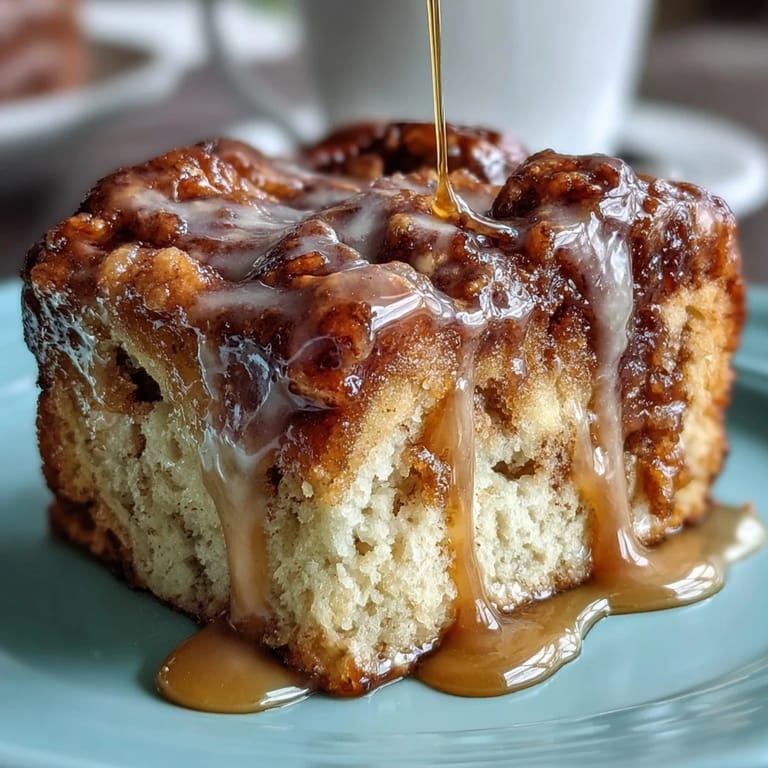
- Whisk together sifted powdered sugar, dandelion honey, and lemon juice, adding the juice gradually until you reach a glaze consistency—thick enough to cling to the cake but thin enough to drip slightly. You want it to look glossy, not like frosting.
- Finish the cake:
- Drizzle the glaze over the cooled cake and let it set for 10 to 15 minutes. This isn't just for aesthetics; it allows the glaze to firm up into that beautiful semi-set state.
 Save to Pinterest
 There's a moment, maybe three weeks after my neighbor gave me that jar of dandelion honey, when I made this cake just for myself on a quiet morning. I sat with a slice and a cup of chamomile tea, and realized that somehow, a simple cake had become a marker of spring, a conversation with that neighbor, and a small ritual of caring about what goes into my mouth and the mouths of people I love.
Why Dandelion Honey Matters
Dandelion honey carries a distinctive floral sweetness that's lighter and more complex than clover or wildflower honey. It doesn't taste bitter like the greens—instead, it has this almost herbal quality that makes you feel like you're tasting spring itself. If you can't find dandelion honey locally, farmers markets in late spring often carry small-batch producers, or look for it online from specialty honey suppliers. The flavor is so worth seeking out.
On Lemon and Floral Pairings
The lemon isn't here to dominate—it's here to anchor the honey and prevent the cake from tasting cloying. The zest is where the real magic happens because it carries the bright oils without the tartness of the juice, creating this perfect bridge between floral and citrus. I've learned that when you're pairing delicate flavors like honey with something as assertive as lemon, the combination has to be intentional and balanced, or one will completely overshadow the other.
Storing, Serving, and Variations
This cake keeps beautifully for three days at room temperature in an airtight container, and the flavor actually deepens slightly as it sits. The crumb stays moist thanks to the honey, which is one of its superpowers. I've served it with everything from herbal tea to a light Riesling, and both feel exactly right somehow.
- For a more pronounced dandelion flavor, fold in two tablespoons of finely chopped, unsprayed dandelion petals into the batter just before pouring it into the pan.
- If you want to make this cake into something for a special occasion, brush the cooled cake with a light honey syrup before glazing for extra richness.
- Leftovers can be frozen unfrosted for up to a month, then thawed and glazed fresh when you're ready to serve.
 Save to Pinterest
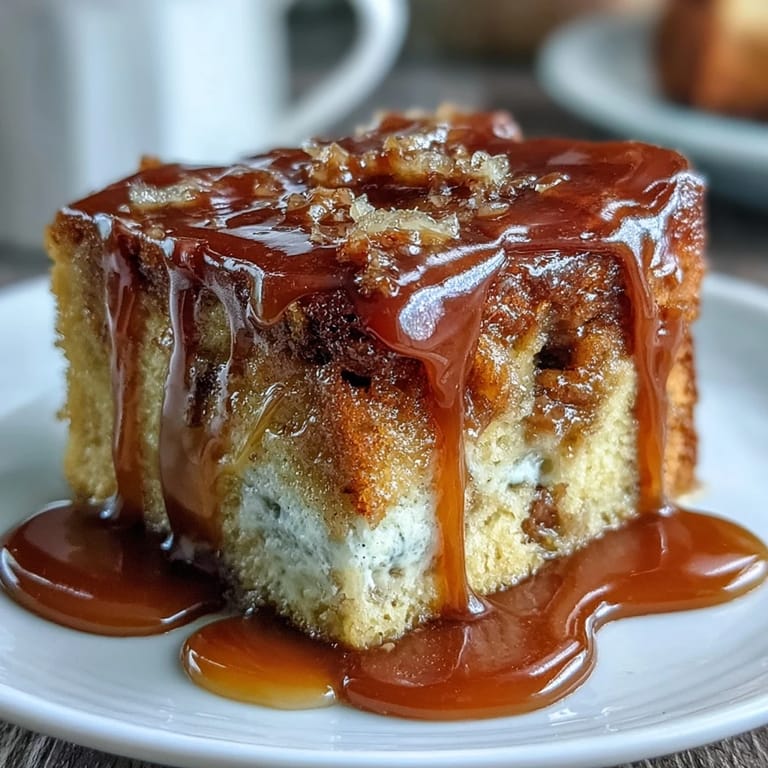
 This cake is proof that sometimes the best recipes come from someone handing you an ingredient and asking what you can do with it. Make it, share it, and watch how something this simple can become a small moment of connection in someone's day.
Recipe Help Center
- → What gives the cake its unique flavor?
The cake’s distinct taste comes from floral dandelion honey combined with fresh lemon zest and juice, creating a balance of sweet and tangy notes.
- → How can I achieve a moist texture?
Using room temperature butter, eggs, and milk ensures even blending, while careful mixing prevents overworking the batter, resulting in a moist crumb.
- → Can I substitute the dandelion honey?
Regular honey can be used as a substitute, though dandelion honey offers a unique floral aroma that enhances the cake’s profile.
- → What is the purpose of the lemon glaze?
The lemon glaze adds a bright, tangy contrast and a smooth finish, balancing the cake’s sweetness while adding visual appeal.
- → How should leftovers be stored?
Store leftovers in an airtight container at room temperature for up to three days to maintain freshness and texture.
- → Are there any recommended pairings?
This cake pairs wonderfully with herbal teas or light, floral white wines, complementing its delicate flavors.